Launch G-Force
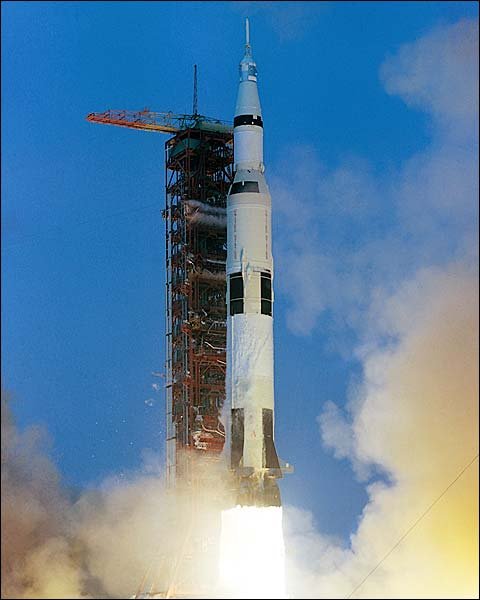
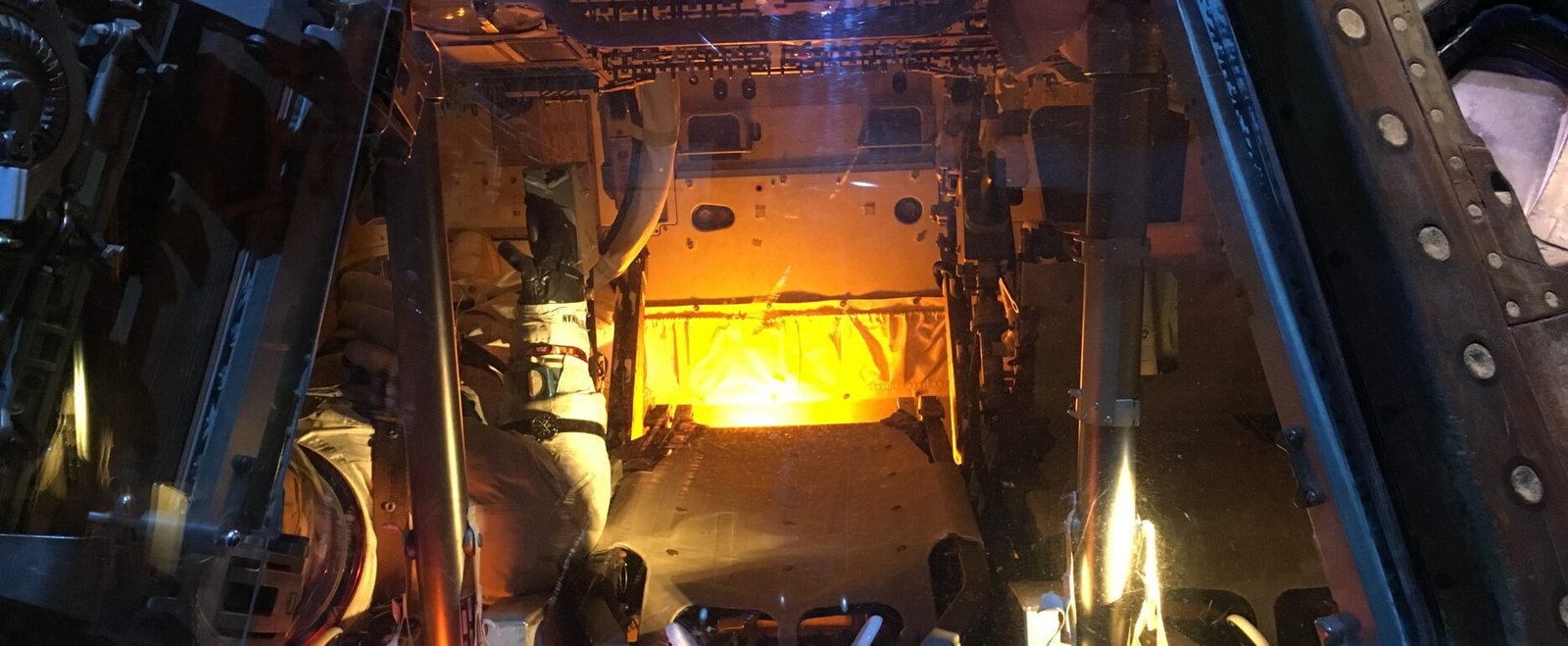
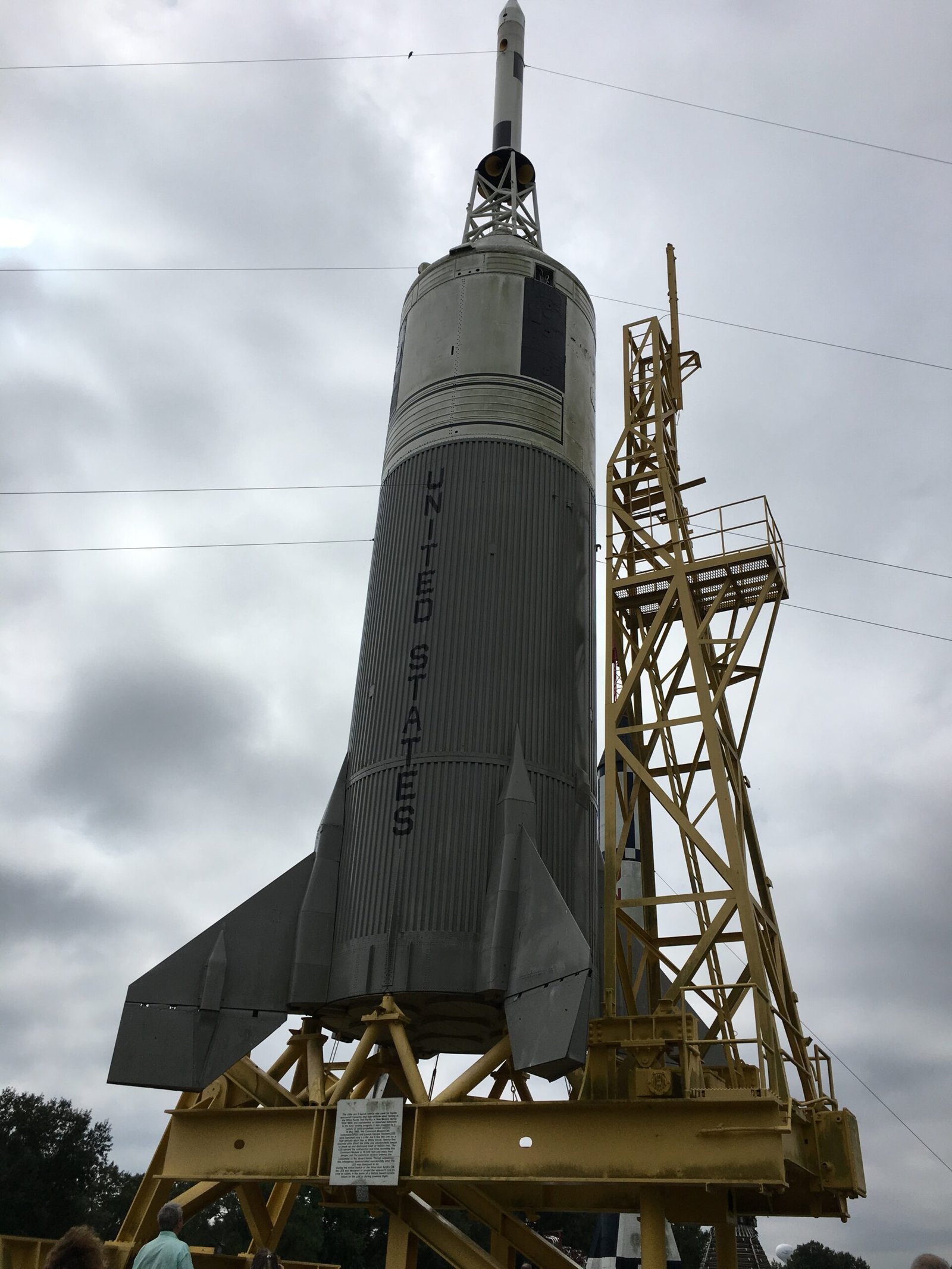
The journey begins with violent acceleration. The massive forces required to break Earth’s gravitational grip place immense pressure on the human body, demanding months of intense physical conditioning before launch and strictly limiting who can survive the trip.
Taste Buds
Space dulls the senses. Astronauts report that eating in microgravity feels like having a constant head cold, stripping food of flavor and making meals a muted experience.
Spine Growth
Without gravity compressing the spine, the spinal cord relaxes and expands, increasing an astronaut’s height by up to 3 inches. While height returns to normal within a week back on Earth, the temporary strain requires careful physical restriction to avoid serious injury.
Bone Loss
Extended stays in space strip away density, causing astronauts to lose over 1% of their bone mass per month. To fight this decay, NASA relies on heavy Vitamin D and calcium regimens alongside specialized osteoporosis medications.
Muscle Atrophy
In weightlessness, muscles deteriorate rapidly. To prevent severe weakness, astronauts must endure a non-negotiable two hours of daily strength training paired with high-concentration nutritional supplements.
Perception of Lost Limbs
Raised in a gravity-bound world, the body’s proprioceptive system breaks down in microgravity. Without sensory cues, astronauts frequently lose spatial awareness of their own arms and legs, leading to phantom limb sensations.
Stale Air
Water doesn’t flow in space, ruling out traditional showers and leaving sponge baths as the only option. With sweat pouring from hours of mandatory daily workouts, current air scrubbers struggle to clean the air in a fully crewed station—and opening a window for fresh air isn’t an option.
Reverse Blood Flow
In 2019, NASA uncovered a disturbing anomaly: microgravity can cause blood flow to stall or run backward. Senior researcher Michael Stenger noted that on Earth, such stasis or reverse flow would immediately signal a severe medical emergency like a tumor or massive blockage.
Space Sickness
Over half of all astronauts suffer from Space Motion Sickness (SMS) during initial adaptation, causing disorientation, nausea, and severe physical discomfort.
Object Dropping
The brain adapts to microgravity almost too well. Astronauts get used to letting go of objects and having them float nearby. Upon returning to Earth, that habit dies hard, resulting in months of inadvertently dropping coffee cups, pens, and tools.
Head Bouncing & Sleep Strain
Without gravity to stabilize blood distribution, every pulse of the heart physically jolts the head back and forth. This constant movement causes severe neck strain and disrupts sleep, forcing astronauts to strap their heads firmly to their pillows.
Countermeasures & Mars Prep
NASA is actively engineering solutions for gravity acclimation—a crucial requirement for any future Mars landing. Among the most promising innovations is the development of active exoskeleton frames to support human movement.
Nutritional Requirements
Planning deep-space logistics requires precise calculation. Mission planners must balance exact weight limits against the risk of unforeseen delays, deciding precisely how much extra food to pack when survival is on the line.
Space Radiation & Shielding
Cosmic radiation poses a lethal threat to both astronauts and their food supplies. To counter this, NASA developed a radical shielding method: removing water from crew feces, recycling the liquid, and lining the interior craft walls with the dried waste packs to block radiation.
Vitamin Deficiencies
Even with aggressive supplementation, lack of natural sunlight causes severe Vitamin D depletion in space. NASA research by Scott Smith, J. Locke, and S.R. Zwart highlights that astronaut Vitamin D levels plunge during missions—a deficit mirrored on Earth in isolated Antarctic teams and elderly populations.
Direct Sunlight
Outside Earth’s atmospheric blanket, unfiltered solar radiation is ruthless. Direct exposure to broadband sunlight will instantly cause severe, destructive skin burns.
Space Anemia
Being in space actively destroys red blood cells. Research led by Dr. Guy Trudel confirms that while weightlessness masks the condition, returning to gravity reveals severe anemia that saps strength, endurance, and operational capability.
(Note: Dr. Trudel’s research is also helping clinicians treat bedridden patients on Earth, where prolonged immobility triggers a similar anemia.)
Future Research Projects
Microgravity offers a unique lens for terrestrial medicine. Studies exploring human skin cells and testing therapeutic breast and prostate cancer treatments aboard the ISS—such as collaboration between Colgate Corp and Micro Quin 3D’s Tumor Division—continue to unlock breakthrough medical insights.
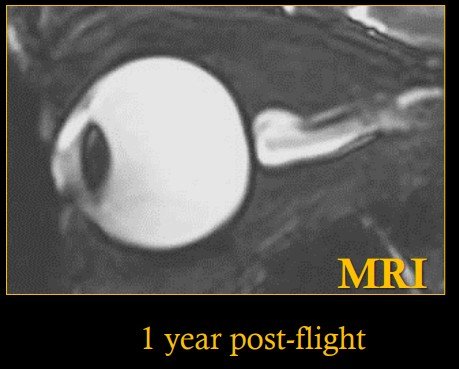
Space-Associated Neuro-Ocular Syndrome (SANS)
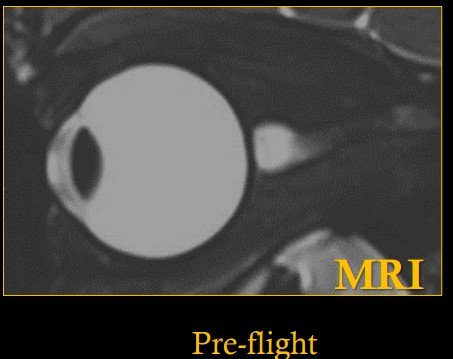
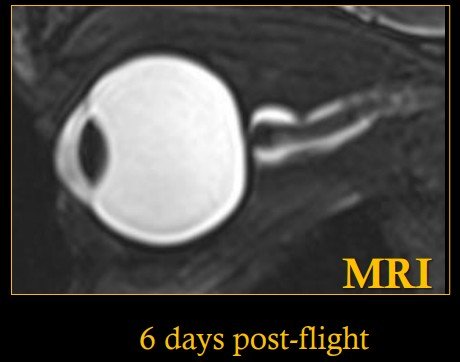
Long-duration spaceflight doesn’t just threaten bones and muscles—it directly targets vision. Fluid shifts in microgravity build pressure behind the eyes, causing severe structural swelling. Left unchecked, this pressure can permanently flatten the eyeball and cause irreversible farsightedness, threatening critical mission operations and leaving astronauts with lasting visual damage.
Toxic Lunar Dust
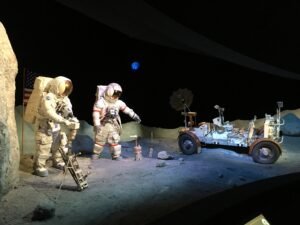
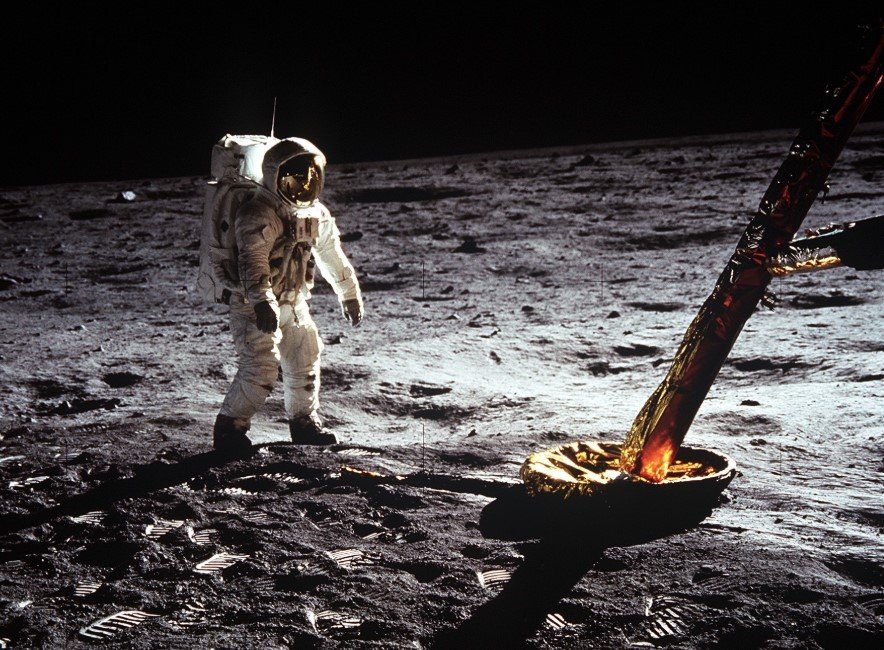
Moon dust isn’t just dirty—it’s an abrasive hazard. During Apollo missions, microscopic dust clinged to spacesuits, bypassed pressure seals, and contaminated command module air filters, clogging vacuums and causing respiratory issues. In long-term lunar habitats, filtering out these razor-thin, clingy particles will be critical to astronaut survival.
Electrostatic Moon Charge
The Moon carries a dangerous hidden current. Research published in Nature reveals that solar winds blast the lunar surface with enough force to build a static charge reaching thousands of volts. As UC Berkeley researcher Jasper Halekas noted, this severe electrical charge causes toxic dust to levitate and aggressively stick to everything it touches.
Next-Gen Dust-Shielding Suits
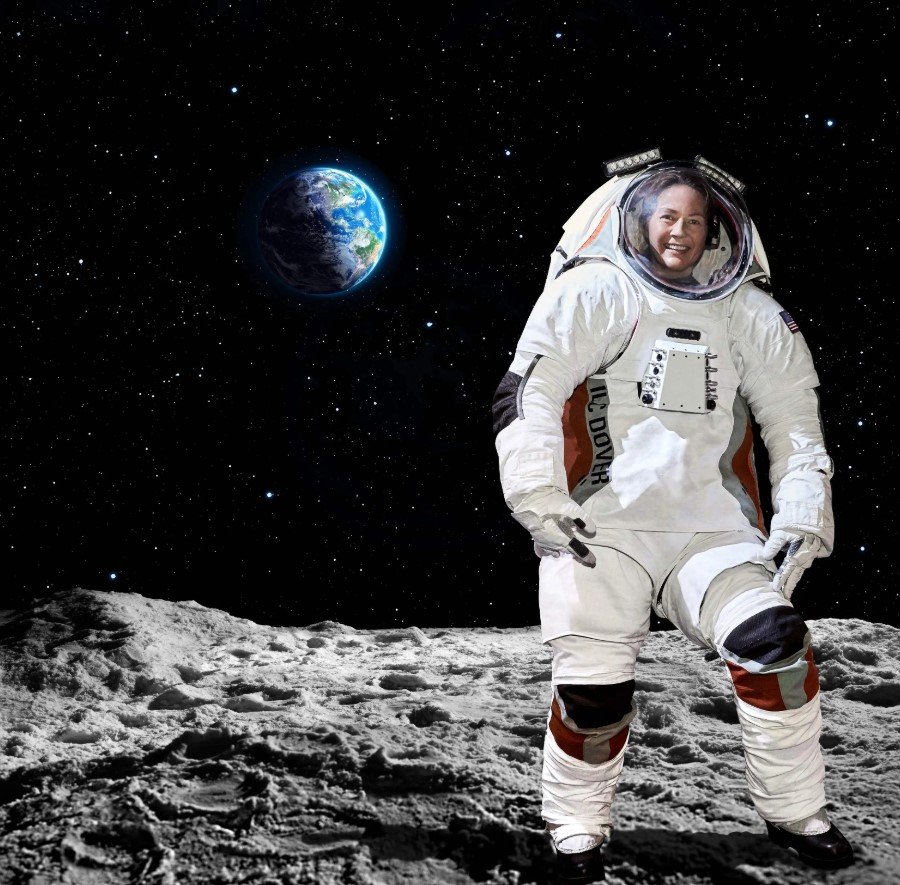
To combat severe electrostatic cling and high voltage, engineers are redesigning space suits from the ground up. Future lunar suits will incorporate advanced material technology designed to actively repel extreme electrical discharges, keeping astronauts safe on the Moon’s surface.