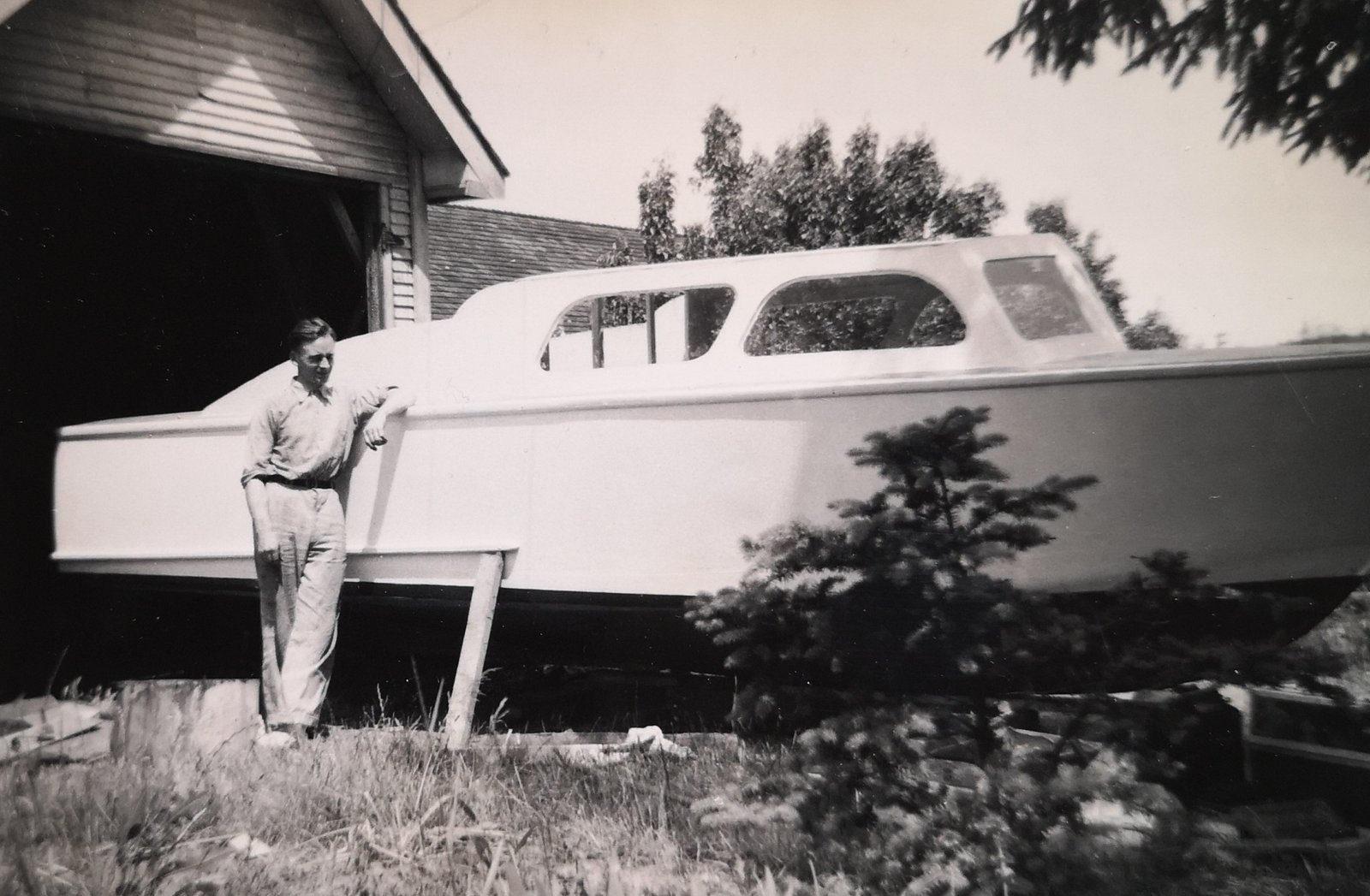
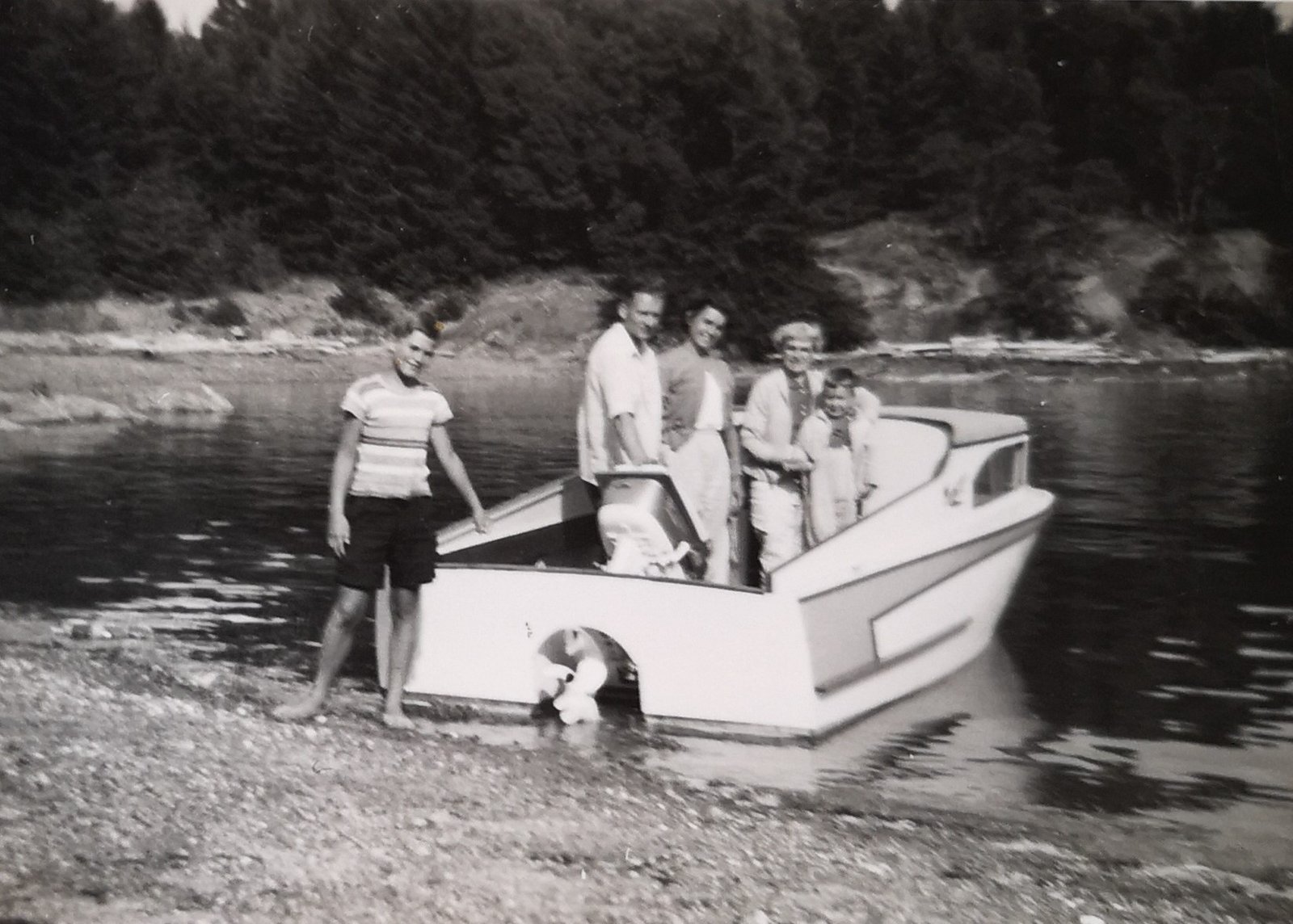
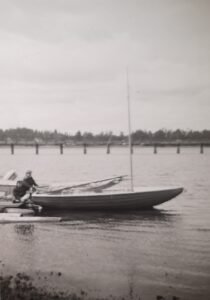
Dedicated to Leo Sr. & Rita VanderByl.

Leo (June 15, 1919 – September 28, 2003) Rita (July 12 1928- Nov 30 2011)
Colorized by Leonardo Ai
The eldest of eleven siblings, our father fell in love during WWII and married our mother, Rita Tersteeg, on August 26, 1945. A year later, our brother Leo Jr. was born on July 25, 1946, followed by our brother Rob on October 9, 1947, in Scheveningen—a seaside resort town on the North Sea coast of Holland. Moms Story to come.
It must be said that our mother was the rock and the glue that held everything together. She supported our father throughout his career and through every one of his passionate hobbies. Most of the “Renaissance man” trades he developed grew out of his work after the war, rebuilding and restoring damaged buildings across the region.
Life After the War
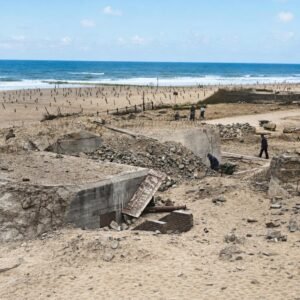
After World War II, life was incredibly difficult—not just in Holland, but across all of Europe throughout the 1940s and 50s. The beaches of Scheveningen were riddled with steel beams, part of the “Atlantic Wall” the Nazis forced the Dutch to erect to block Allied invasions. Fortified gun emplacements dotted the entire coastline. While there was plenty of reconstruction work to be done, our father explained that restoration couldn’t begin until the military painstakingly cleared unexploded ordnance and landmines from the beaches and removed the concrete bunkers.
Like many of their generation, our parents rarely spoke about what they endured during the war; if pressed on the topic, our father would grow deeply quiet or visibly upset.
Rebuilding & Looking West
To support his growing family, our father took whatever work he could find—labor, construction, plumbing, and electrical work—scrimping and saving every guilder they could. His formal background was in architectural engineering with a focus on ship design, but the war had put his trade training on hold.
With baby Leo Jr. barely a year old and Rob on the way, our parents decided to apply for immigration to Canada, their absolute dream destination. Like most Dutch people of that era, our parents held deep gratitude for the Canadian soldiers who spearheaded the liberation of Holland—a bond that is still celebrated in Dutch cities today. (Their second choice, had Canada fallen through, was Brazil.)
In 1949, the paperwork was approved. Our parents packed what few possessions they owned and set off with our two older brothers on a journey they had never experienced before: a transatlantic ship to Nova Scotia, followed by a long train trip across Canada, finally arriving in Victoria, B.C., in May of that year. Their trip across the Atlantic was largely funded by the sale of a large rug our mother had hand made in Holland.
Settling in Victoria
Upon arrival in Victoria, they were greeted by their sponsor family, the Martins. From there they found a basement suite through the local “New Canadian’s,” association of Victoria. Mrs. W. Rogers came to their assistance, making an agreement with my father to finish the suite in leu of rent. The goal was of course their own home, and thus began their savings program began.
Shortly after settling in, our father found work as a draftsman for Sidney Roofing. While it might seem unusual for someone trained in ship design to work for a roofing company, the firm maintained a specialized detail drafting department that contracted services out to organizations like B.C. Ferries. Our father helped design the original plumbing and ventilation systems aboard early M.V.-class ferries, and later worked on their structural expansions when the ships were drydocked.
A House on Culduthel Road
With steady work established, the next priority was finding a home. A coworker recommended the real estate firm C.N. Montague. The owner took a liking to our parents and helped them find a spacious home on Culduthel Road in Victoria.
The house was larger than the four of them needed at the time, but our grandfather had written from Holland expressing his desire to bring our father’s younger siblings to Canada as soon as paperwork cleared. It was now our parents’ turn to sponsor the family.
The obstacle was the down payment: while the home was perfect for accommodating the upcoming family arrival, the price was just out of reach. An ingenious solution was eventually found—but to understand how it happened, we have to look back at an extraordinary story from Holland.
Reconnecting with the Past
While photos of our parents’ first apartment in Holland are rare, our mother made a memorable return visit to the building in 1993. Parking outside, she checked the entry list almost on a whim. To her amazement, the family that lived on the third floor above our parents back in the 1950s was still living in the exact same apartment!
She buzzed the unit, and a voice our mother hadn’t heard in forty years answered the intercom. Emotional tears followed as the neighbor welcomed us upstairs for tea.
In Holland, limited land means families rarely move, and generational living is standard practice. The living arrangements had evolved: the neighbor’s adult child, spouse, and grandchild now occupied the main apartment, while the grandmother stayed in the back bedroom, helping care for her granddaughter while the parents worked.
The Legend of the Bedroom Boat
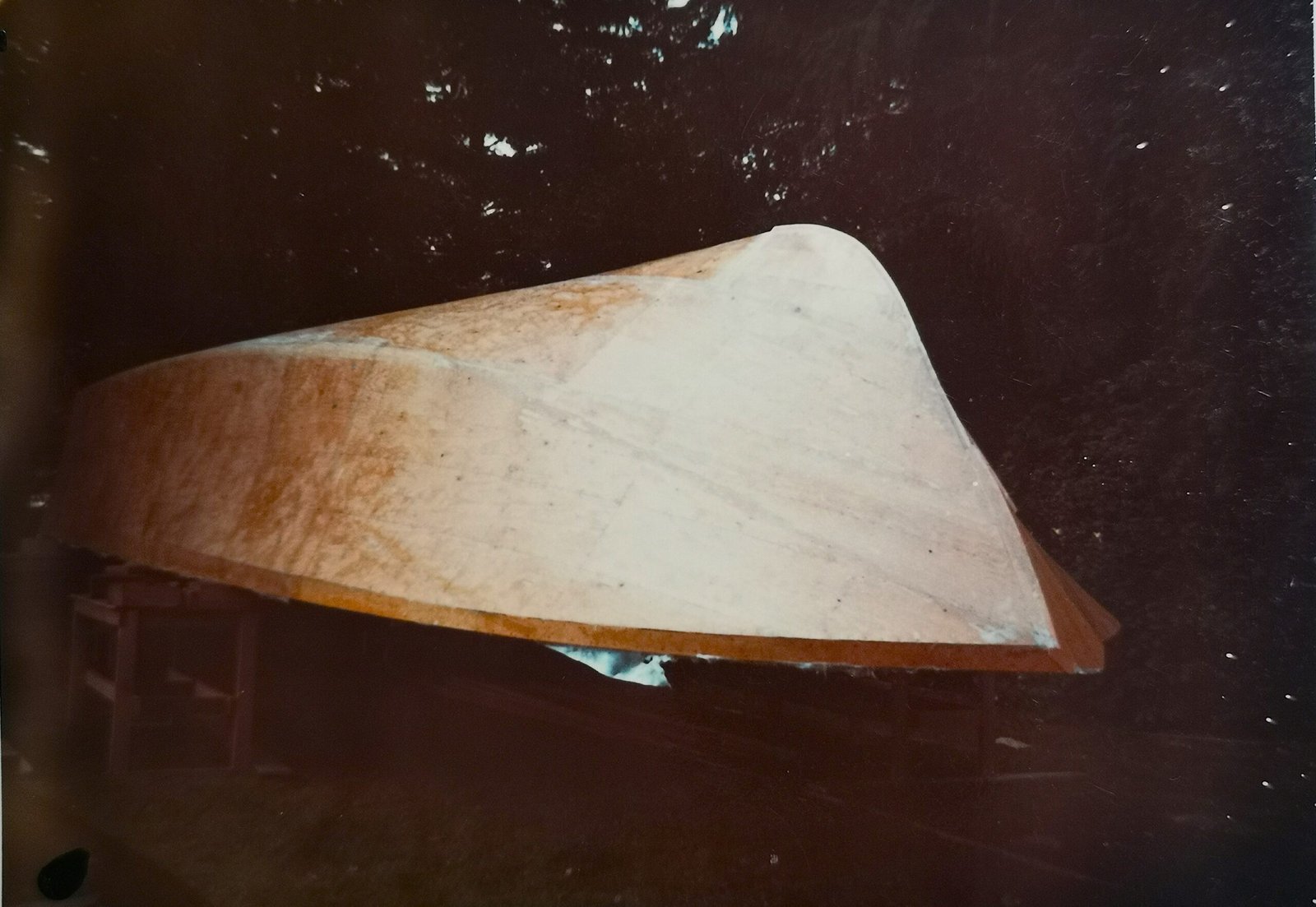
That afternoon visit opened a window into our family’s early days. Over tea, our mother and her old neighbor reminisced and laughed about inside jokes—especially the legend of our father’s boat-building project.
In post-war Holland, food was expensive and fresh produce was a luxury. Living on the second floor without a garden, our father decided he could supplement the family’s meals by fishing in the nearby North Sea. But fly-casting from the beach yielded little, so he set his sights on acquiring a small boat.
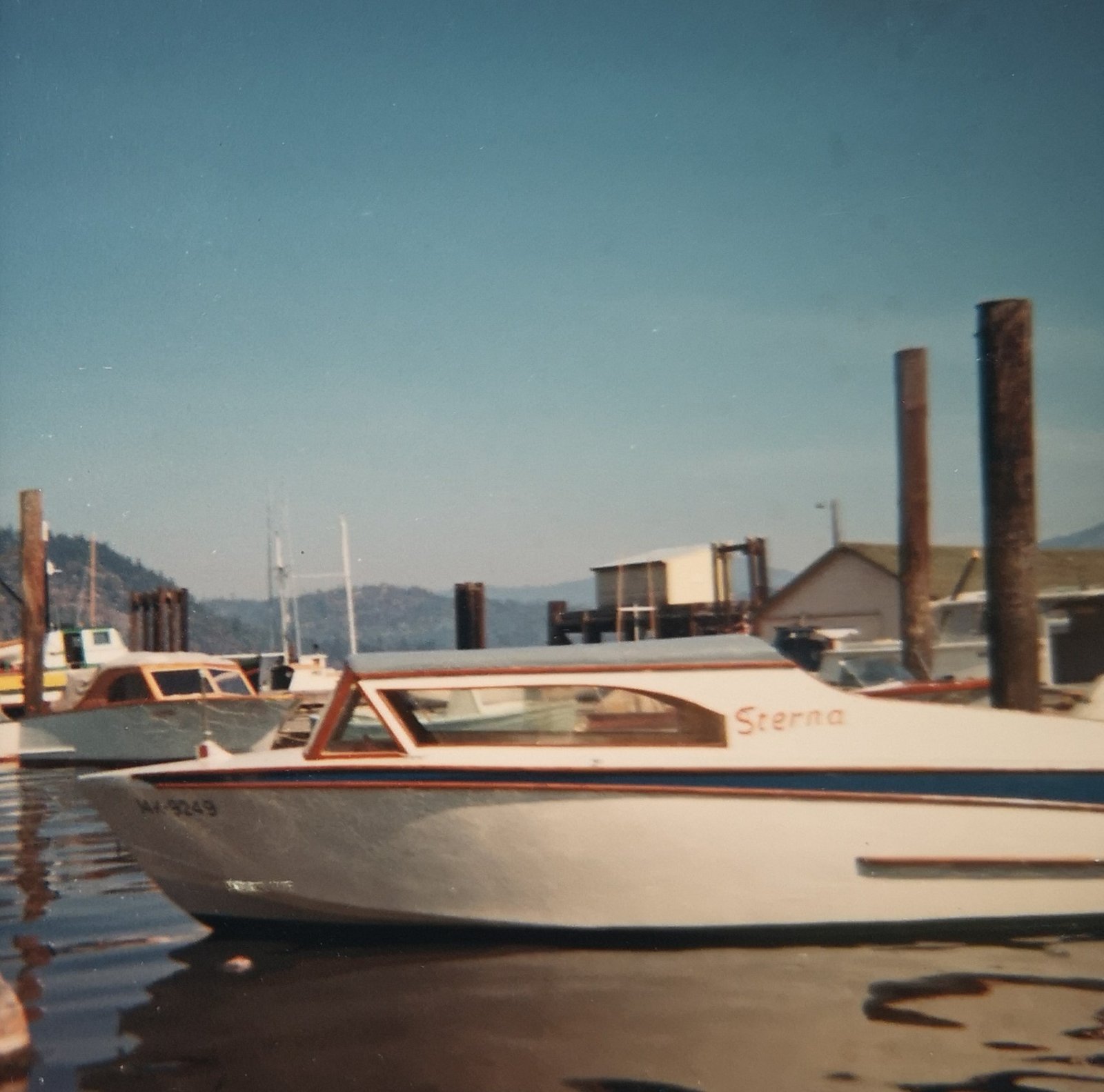
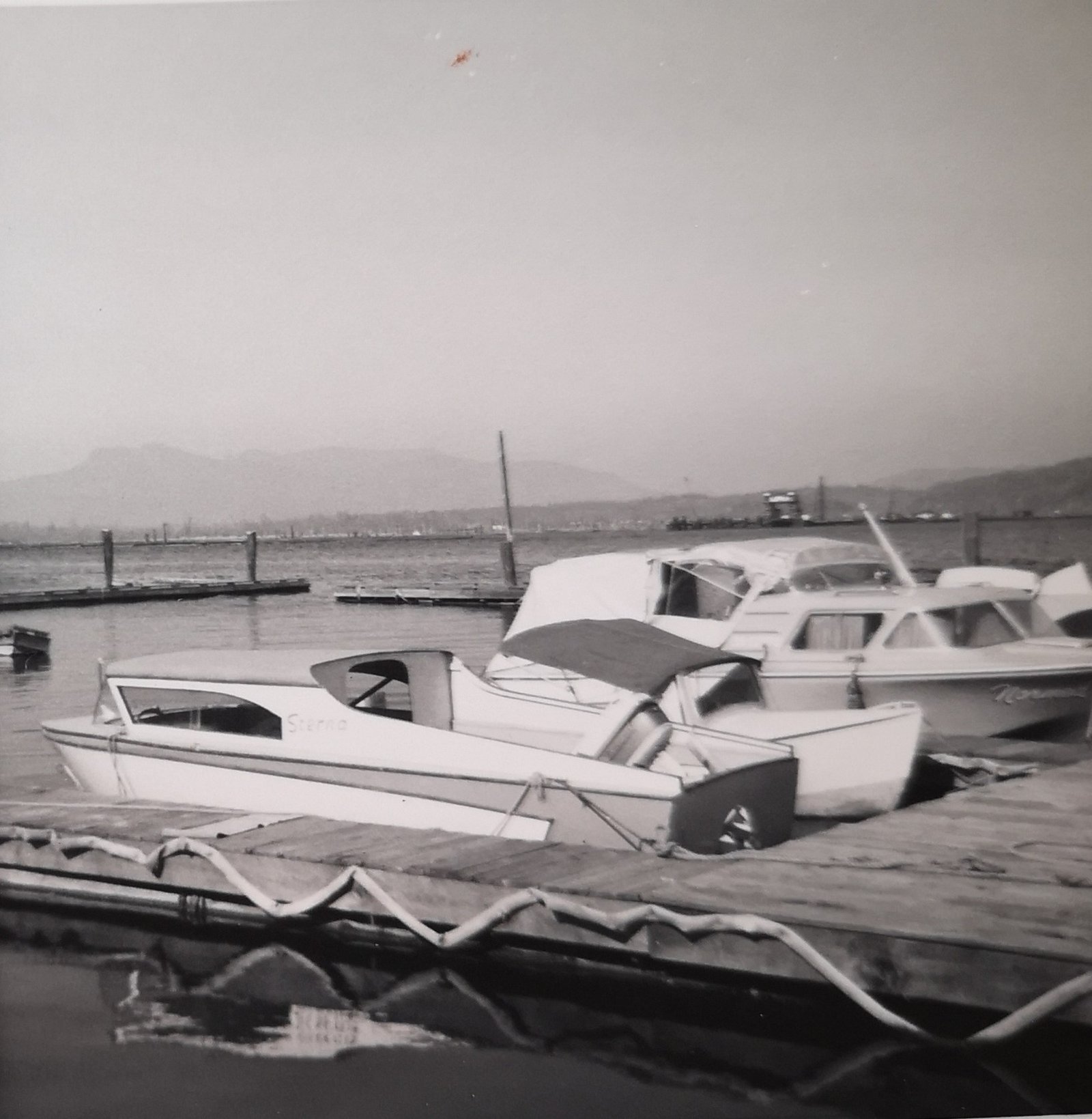
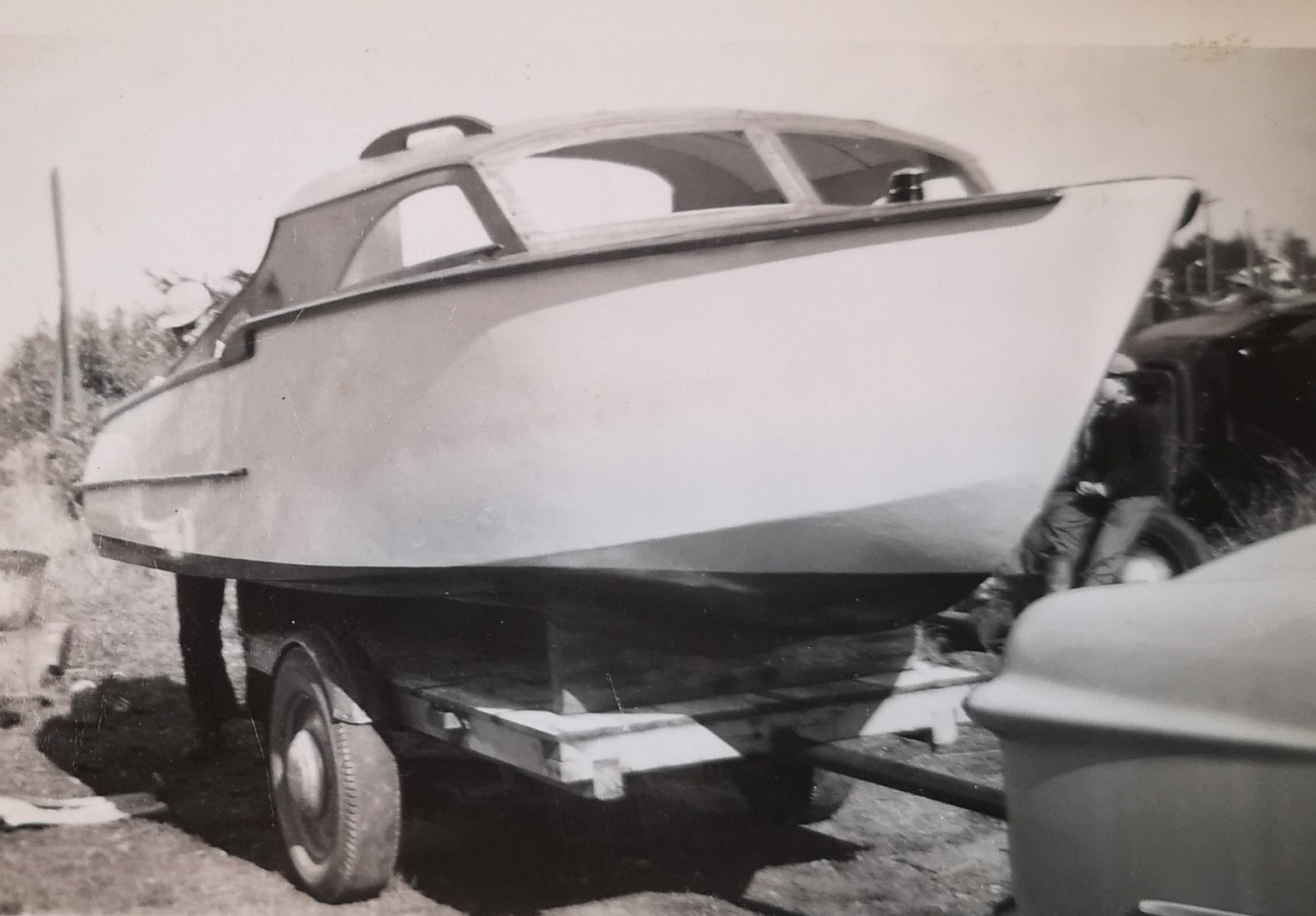
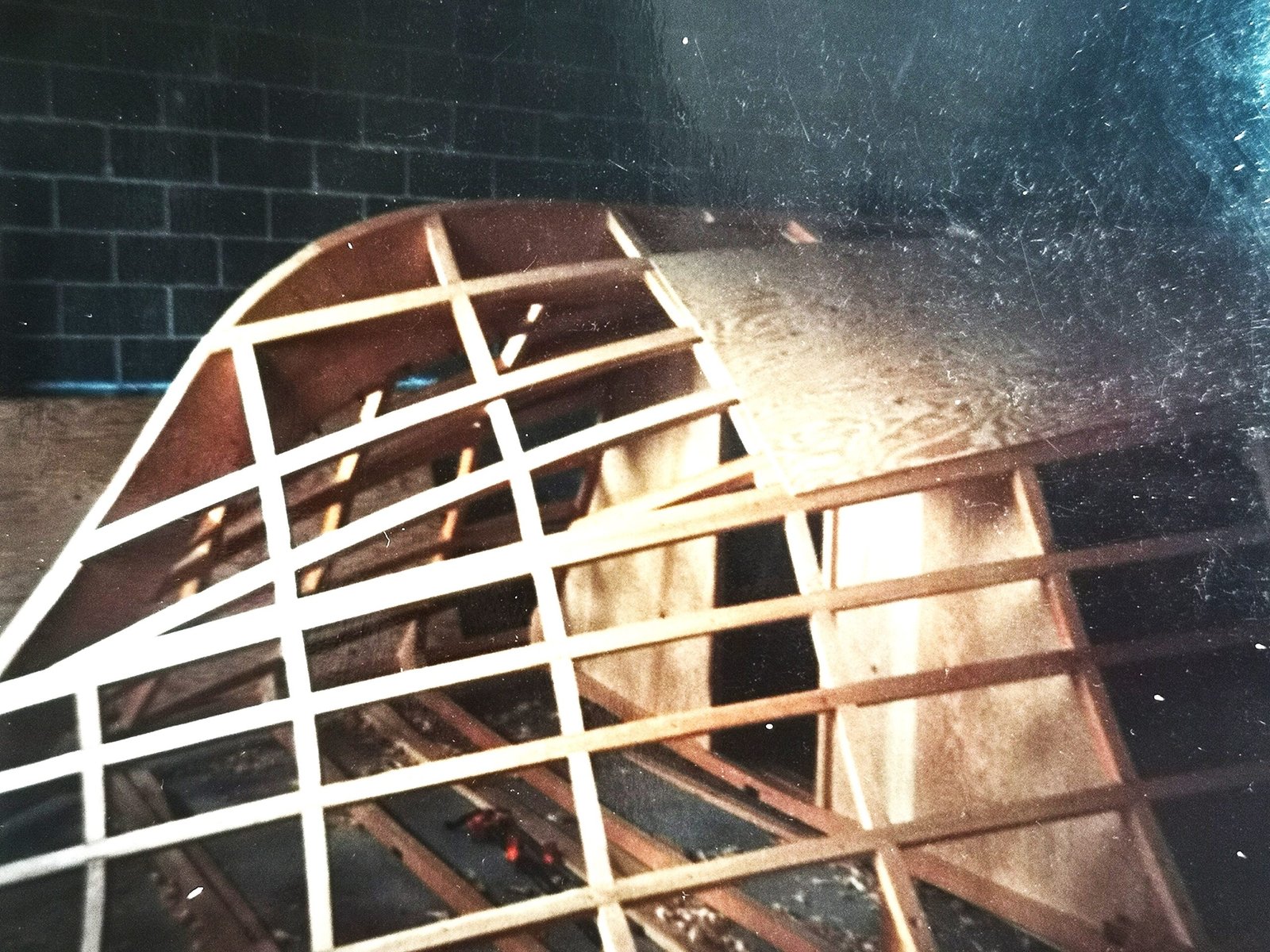
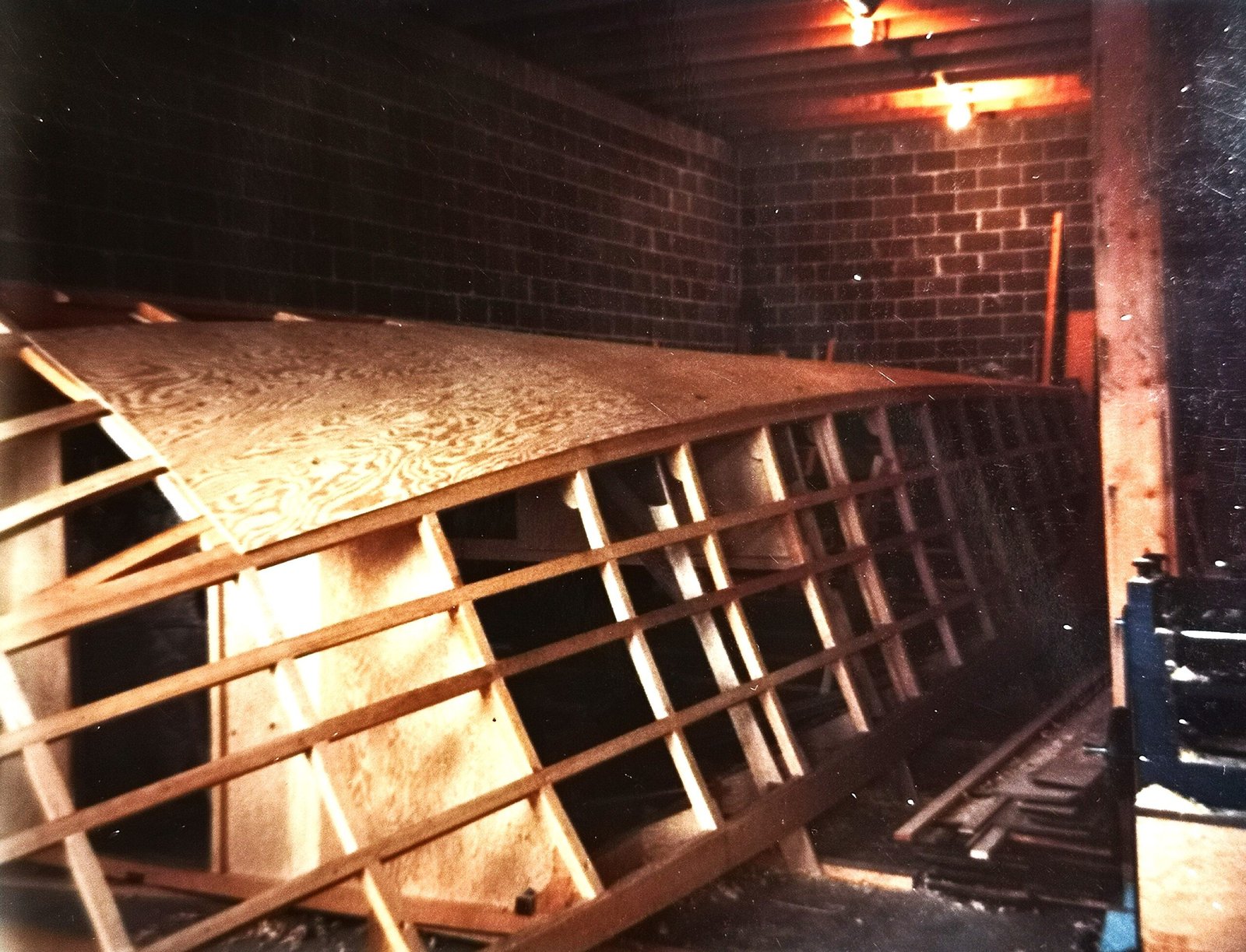
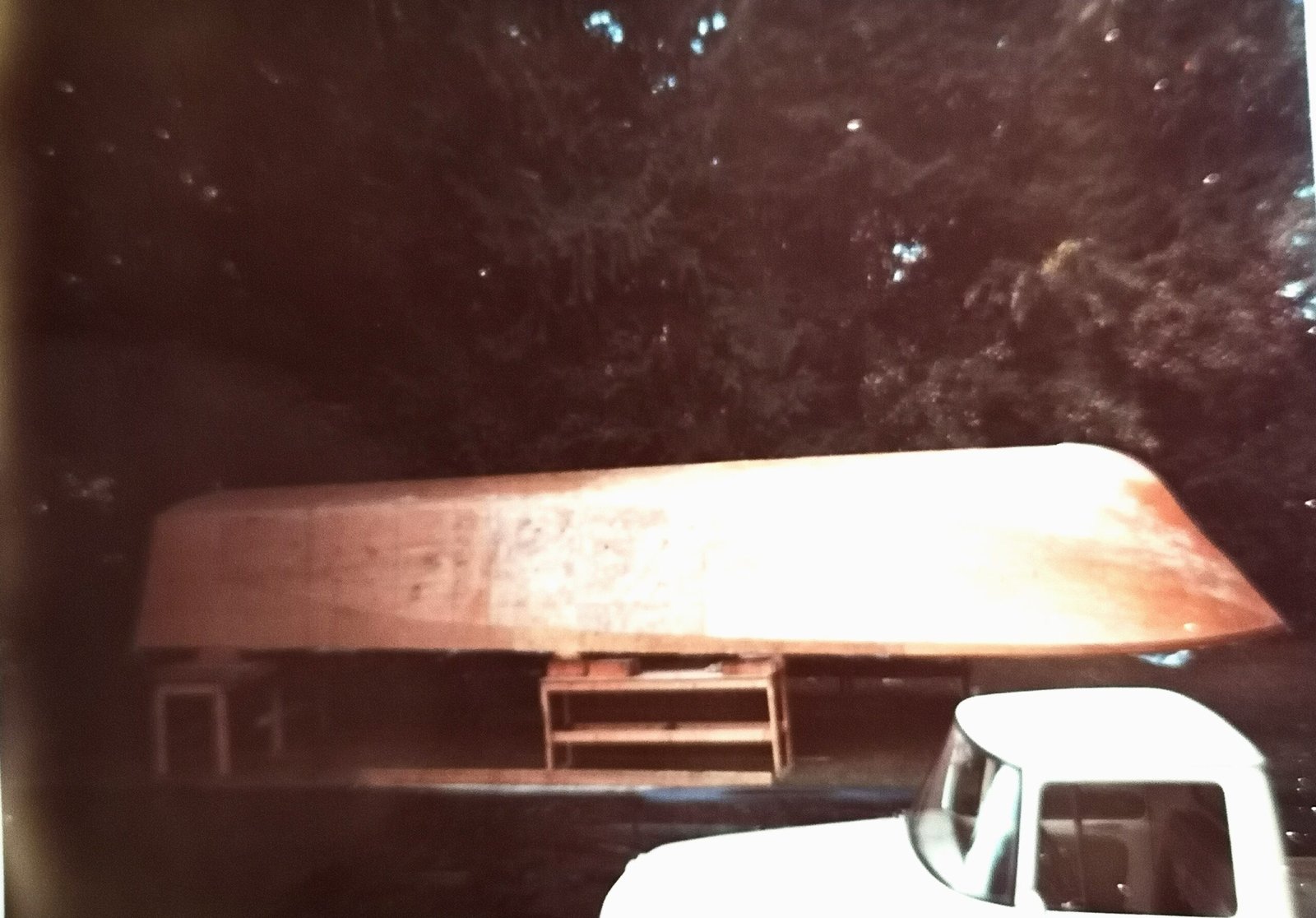
Buying a boat was impossible—coastal residents guarded theirs fiercely (as our dad used to joke, “You can’t eat money, but you can eat fish!”). Unfazed by the fact that he had never built a boat before, and lacking access to a garage or workshop, our father came up with a characteristic, highly creative solution: he would build a 10-foot, two-man wooden fishing boat inside their master bedroom.