search
0

Dedicated to Leo Sr. & Rita VanderByl.
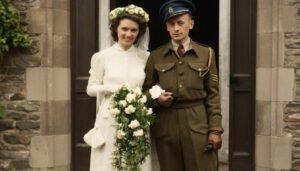
Leo (June 15, 1919 – September 28, 2003) Rita (July 12 1928- Nov 30 2011)

Colorized by Leonardo Ai

The eldest of eleven siblings, our father fell in love during WWII and married our mother, Rita Tersteeg, on August 26, 1945. A year later, our brother Leo Jr. was born on July 25, 1946, followed by our brother Rob on October 9, 1947, in Scheveningen—a seaside resort town on the North Sea coast of Holland. Moms Story to come.

It must be said that our mother was the rock and the glue that held everything together. She supported our father throughout his career and through every one of his passionate hobbies. Most of the “Renaissance man” trades he developed grew out of his work after the war, rebuilding and restoring damaged buildings across the region.


Life After the War

After World War II, life was incredibly difficult—not just in Holland, but across all of Europe throughout the 1940s and 50s. The beaches of Scheveningen were riddled with steel beams, part of the “Atlantic Wall” the Nazis forced the Dutch to erect to block Allied invasions. Fortified gun emplacements dotted the entire coastline. While there was plenty of reconstruction work to be done, our father explained that restoration couldn’t begin until the military painstakingly cleared unexploded ordnance and landmines from the beaches and removed the concrete bunkers.

Like many of their generation, our parents rarely spoke about what they endured during the war; if pressed on the topic, our father would grow deeply quiet or visibly upset.


Rebuilding & Looking West

To support his growing family, our father took whatever work he could find—labor, construction, plumbing, and electrical work—scrimping and saving every guilder they could. His formal background was in architectural engineering with a focus on ship design, but the war had put his trade training on hold.

With baby Leo Jr. barely a year old and Rob on the way, our parents decided to apply for immigration to Canada, their absolute dream destination. Like most Dutch people of that era, our parents held deep gratitude for the Canadian soldiers who spearheaded the liberation of Holland—a bond that is still celebrated in Dutch cities today. (Their second choice, had Canada fallen through, was Brazil.)

In 1949, the paperwork was approved. Our parents packed what few possessions they owned and set off with our two older brothers on a journey they had never experienced before: a transatlantic ship to Nova Scotia, followed by a long train trip across Canada, finally arriving in Victoria, B.C., in May of that year. Their trip across the Atlantic was largely funded by the sale of a large rug our mother had hand made in Holland.


Settling in Victoria

Upon arrival in Victoria, they were greeted by their sponsor family, the Martins. From there they found a basement suite through the local “New Canadian’s,” association of Victoria. Mrs. W. Rogers came to their assistance, making an agreement with my father to finish the suite in leu of rent. The goal was of course their own home, and thus began their savings program began.

Shortly after settling in, our father found work as a draftsman for Sidney Roofing. While it might seem unusual for someone trained in ship design to work for a roofing company, the firm maintained a specialized detail drafting department that contracted services out to organizations like B.C. Ferries. Our father helped design the original plumbing and ventilation systems aboard early M.V.-class ferries, and later worked on their structural expansions when the ships were drydocked.


A House on Culduthel Road

With steady work established, the next priority was finding a home. A coworker recommended the real estate firm C.N. Montague. The owner took a liking to our parents and helped them find a spacious home on Culduthel Road in Victoria.

The house was larger than the four of them needed at the time, but our grandfather had written from Holland expressing his desire to bring our father’s younger siblings to Canada as soon as paperwork cleared. It was now our parents’ turn to sponsor the family.

The obstacle was the down payment: while the home was perfect for accommodating the upcoming family arrival, the price was just out of reach. An ingenious solution was eventually found—but to understand how it happened, we have to look back at an extraordinary story from Holland.


Reconnecting with the Past

While photos of our parents’ first apartment in Holland are rare, our mother made a memorable return visit to the building in 1993. Parking outside, she checked the entry list almost on a whim. To her amazement, the family that lived on the third floor above our parents back in the 1950s was still living in the exact same apartment!

She buzzed the unit, and a voice our mother hadn’t heard in forty years answered the intercom. Emotional tears followed as the neighbor welcomed us upstairs for tea.

In Holland, limited land means families rarely move, and generational living is standard practice. The living arrangements had evolved: the neighbor’s adult child, spouse, and grandchild now occupied the main apartment, while the grandmother stayed in the back bedroom, helping care for her granddaughter while the parents worked.


The Legend of the Bedroom Boat

That afternoon visit opened a window into our family’s early days. Over tea, our mother and her old neighbor reminisced and laughed about inside jokes—especially the legend of our father’s boat-building project.

In post-war Holland, food was expensive and fresh produce was a luxury. Living on the second floor without a garden, our father decided he could supplement the family’s meals by fishing in the nearby North Sea. But fly-casting from the beach yielded little, so he set his sights on acquiring a small boat.

Buying a boat was impossible—coastal residents guarded theirs fiercely (as our dad used to joke, “You can’t eat money, but you can eat fish!”). Unfazed by the fact that he had never built a boat before, and lacking access to a garage or workshop, our father came up with a characteristic, highly creative solution: he would build a 10-foot, two-man wooden fishing boat inside their master bedroom.
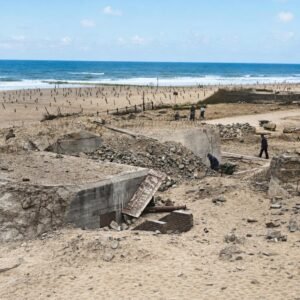
Colorized by Leonardo Ai                        Beach at Scheveningen Holland 1946-47

Navigating the Obstacle Course

With help from neighbors and scavenged wood from local work sites, our father drafted plans and spent months building the boat right beside the crib where baby Leo Jr. slept and where our mother was pregnant with Rob.

Our mother’s account of those months was legendary. She loved describing the challenge of navigating an ever-growing wooden hull in a small bedroom while heavily pregnant, squeezing between the boat and the changing table. She recalled stepping on stray wood shavings, tracking sawdust out from between her toes, and constantly dusting cups, plates, and baby diapers that were covered in fine sanding dust.

Yet, beneath the humor lay a deep appreciation for those who supported our family. During those stressful months, that kind neighbor upstairs became a vital pillar of emotional support for our mother.


Life Inside the Bedroom Workshop

While it sounds like a simple, practical arrangement, our mother’s memories of those months were far more colorful. To hear her tell it, her pregnancy with our brother Rob was a constant, real-time race against the growing hull of the boat. Squeezing past the wooden structure to reach the crib and changing table became an everyday obstacle course.

She loved describing the hazards: navigating fussy baby Leo Jr., stepping on stray wood chips, and washing sawdust out from between her toes each morning with humorously animated hand gestures. Fine sanding dust covered everything—cups, plates, utensils under towels, and even clean laundry hung indoors to dry. If neighbors stopped by for coffee, a frantic dusting spree inevitably ensued.

Yet beneath the humor lay a poignant reality. Our mother rarely spoke of how isolated and overwhelmed she felt during that period, or how the kind woman living upstairs became her anchor, helping her through those tough months.


Setting Sail & Moving Forward

When the boat was finally finished, our father painstakingly disassembled it piece by piece, carried it downstairs, and reassembled it in a first-floor neighbor’s yard—paying yard rent in fresh catch.

He and his neighbor routinely took the boat out on calm days, bringing back enough fish to feed several families and selling the excess for extra cash.

When the day finally came for our family to depart for Canada, our father sold the boat. Built with incredible craftsmanship, it sparked a bidding war and fetched far more than it cost to make. That extra money gave our parents a much-needed financial cushion as they boarded the ship to begin our family’s new life in Victoria.

The Renaissance Man

Through all the hardship, our mother deeply admired our father’s resilience and ability to find work. Though frustrated that post-war Holland offered mostly manual labor, he took it in stride—learning dozens of trades on job sites and earning his lifelong nickname: the “Renaissance man.”

When their Canadian immigration papers finally arrived with their destination assigned as Victoria, B.C., our parents prepared for the journey. Our father put the bedroom boat up for sale; its exceptional craftsmanship sparked a bidding war, fetching far more than it cost to build. That extra money gave our parents a welcome financial cushion for the long trip across the Atlantic and west across Canada.

Surprisingly, building a boat in the bedroom nearly became a habit—until our mother firmly put her foot down!


Craftsmanship Born from Hardship

Understanding how our father mastered so many trades provides key context for how our family eventually secured the down payment for their house in Victoria. He wasn’t just handy—he possessed a master craftsman’s precision, whether oil painting, fine woodworking, bricklaying, or drafting.

During the long, cold Dutch winters, electricity was unreliable, candles were scarce, and evenings were spent around the fireplace. Our mother practiced her English while caring for the boys, while our father—who had taken extra English before the war—worked through stacks of job applications supplied by the Canadian government.

The hardest part was the uncertainty of waiting and not knowing where in Canada they might end up or who their sponsors would be. To cope, our father channeled his restless energy into creative outlets. Playing the clarinet was short-lived because it set off crying fits from baby Rob and Leo Jr., so he turned to quieter pursuits: detailed drawings, oil paintings, and architectural plans. But his true passion was turning ideas on paper into real-world objects, and for that, he needed fine tools.


The Story Behind the Tools

Tragically, post-war Europe was filled with estate auctions selling the belongings of families lost during the war. Whenever we asked our father where he acquired his woodworking tools, he would quietly evade the question, a shadow of sadness falling over him.

Our mother later explained that buying tools from families who had been killed in their prime deeply pained him. It explained why he treasured and protected his tools so fiercely throughout his life. As he once told us, the greatest lesson he learned from the war was that destroying something is far too easy—his life’s purpose was to build.

Among his most cherished possessions were his mathematical slide rule, drafting protractors, and fine wood-carving tools.


His Boats

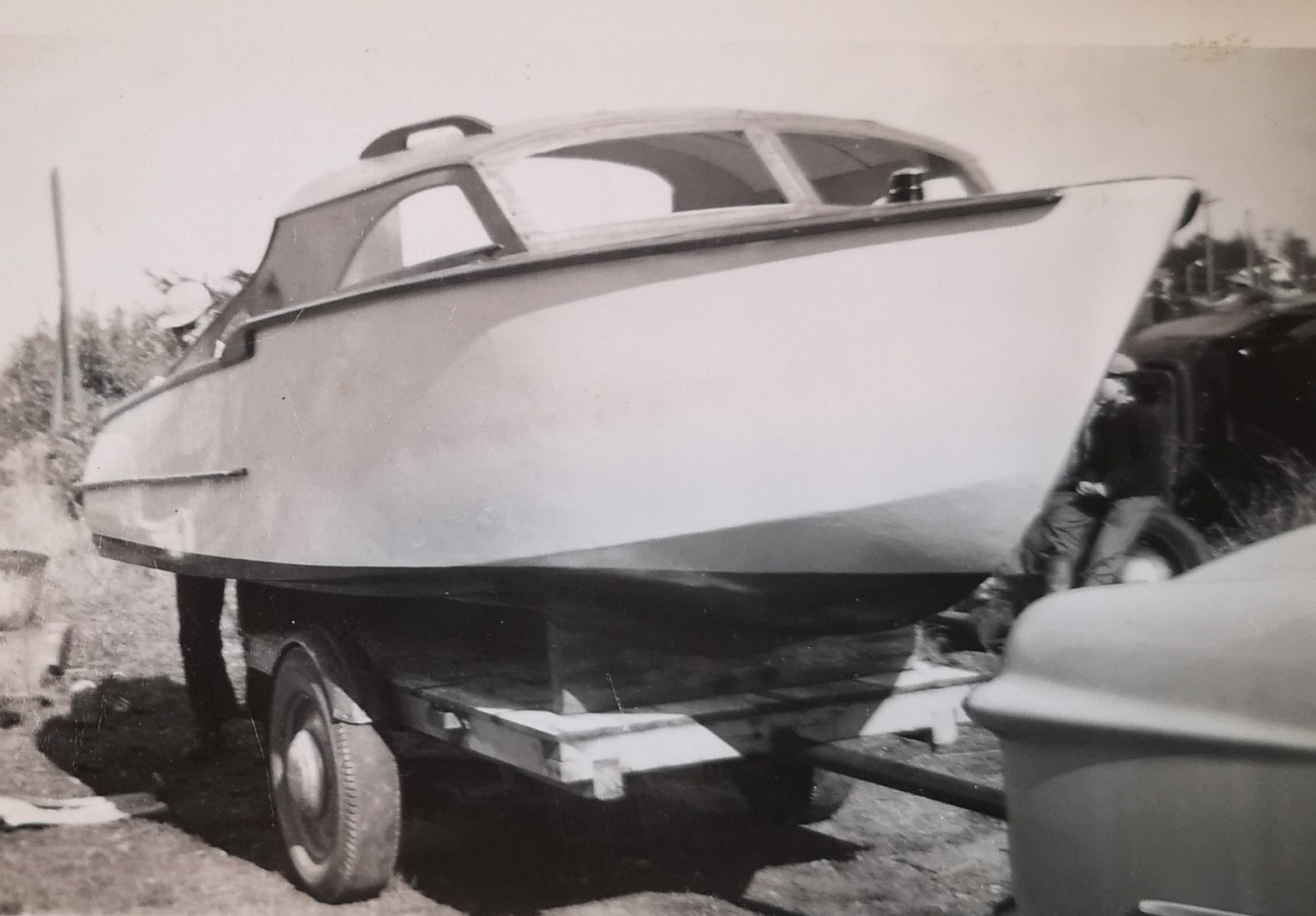
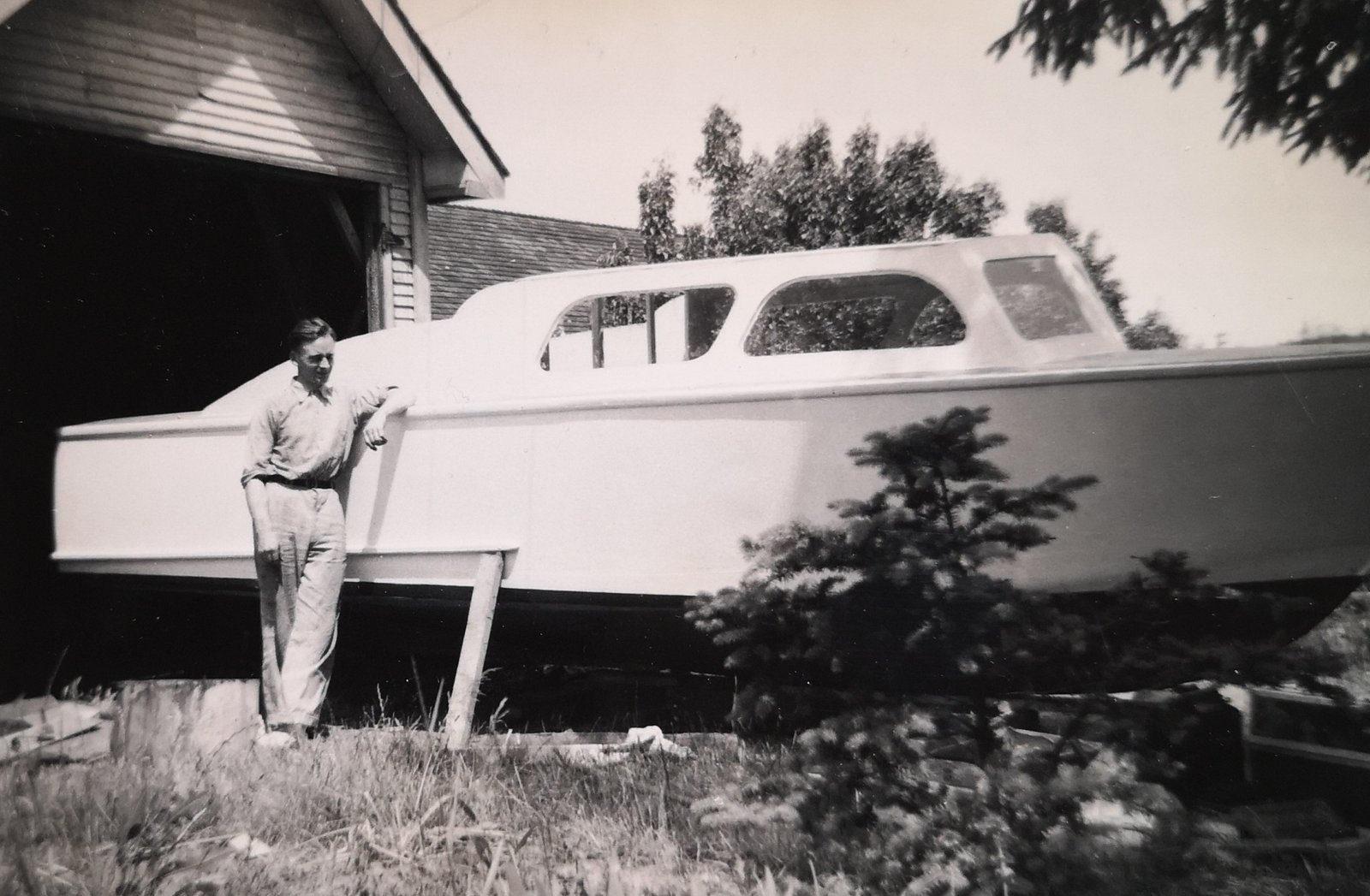
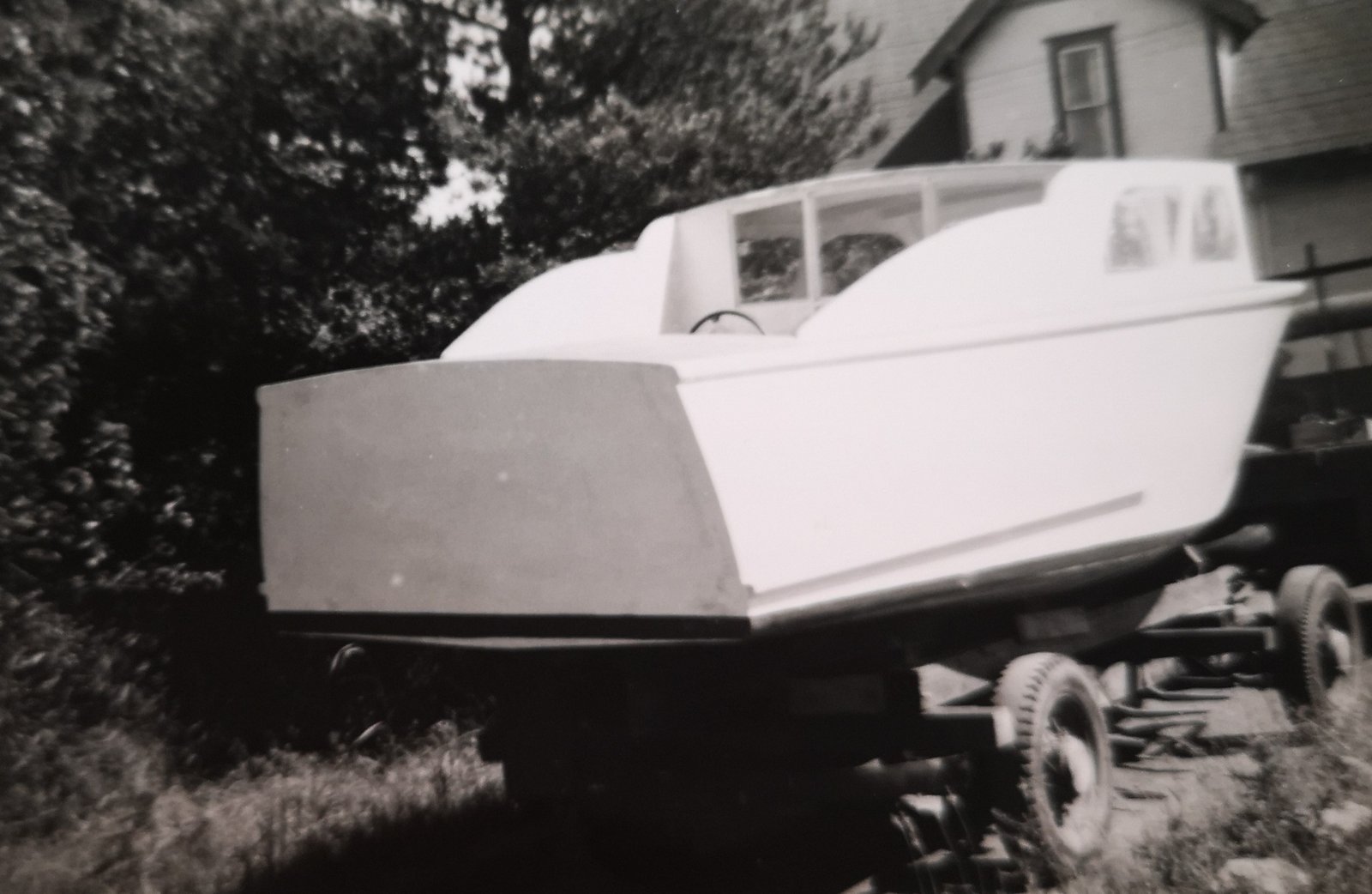
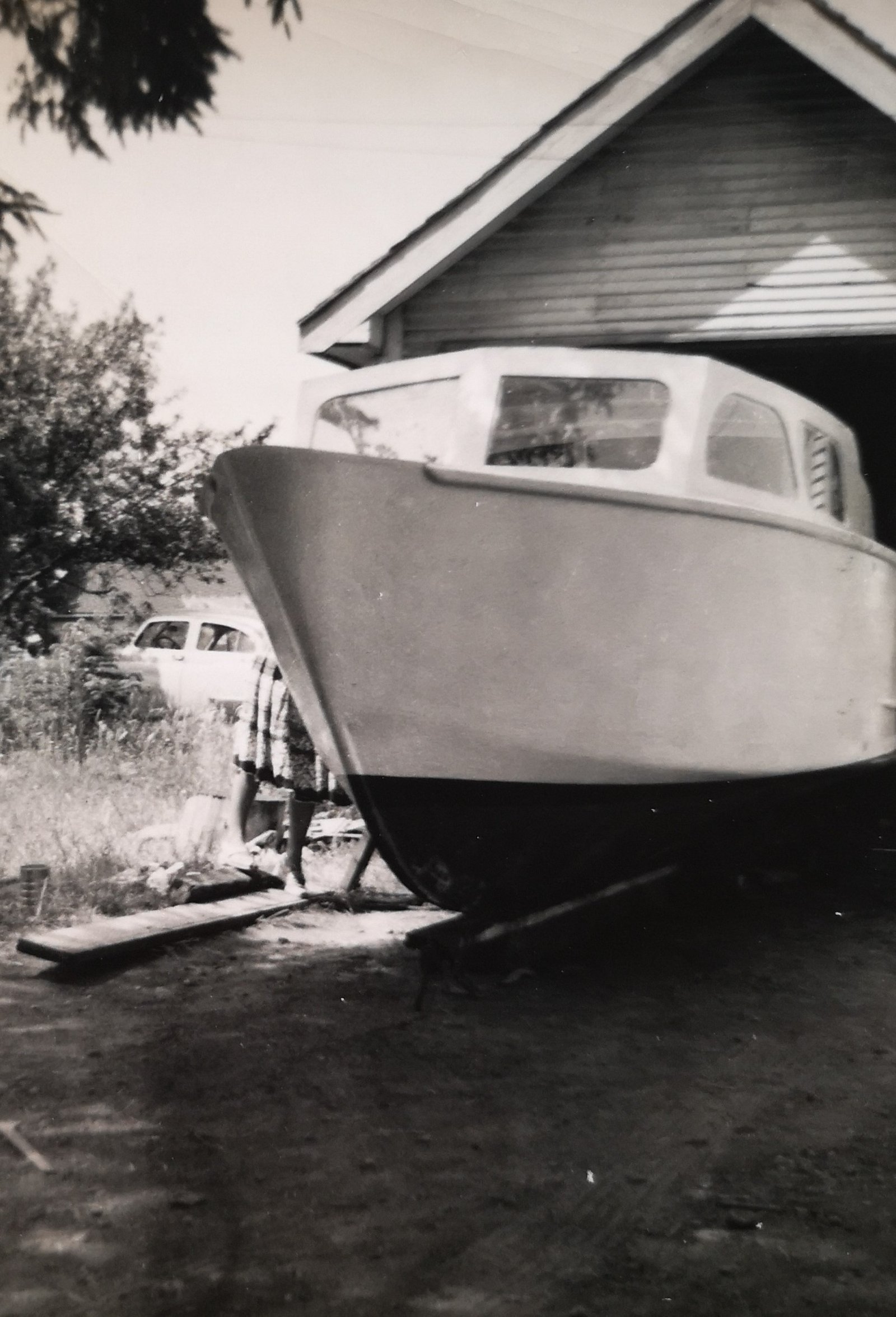
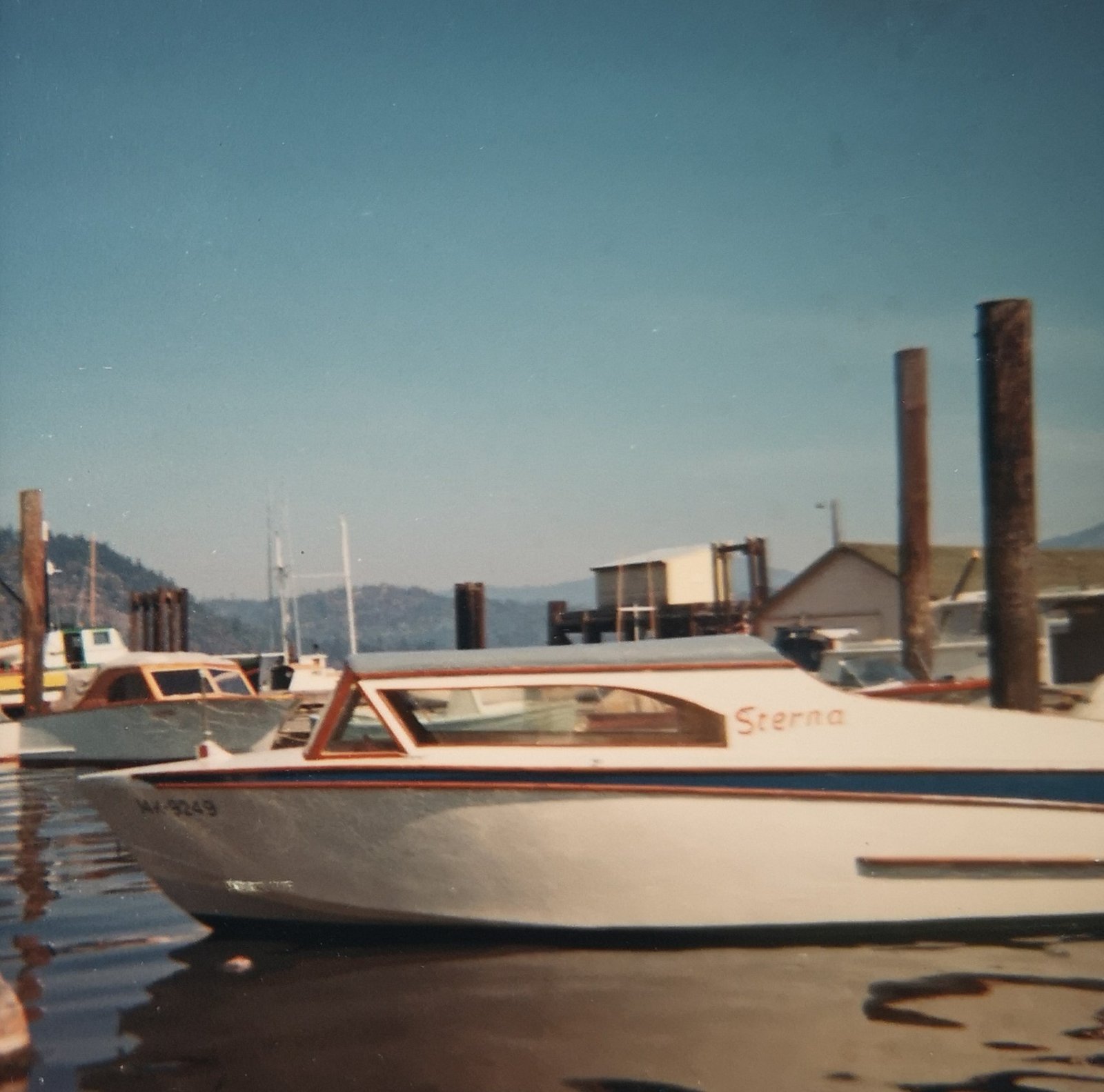
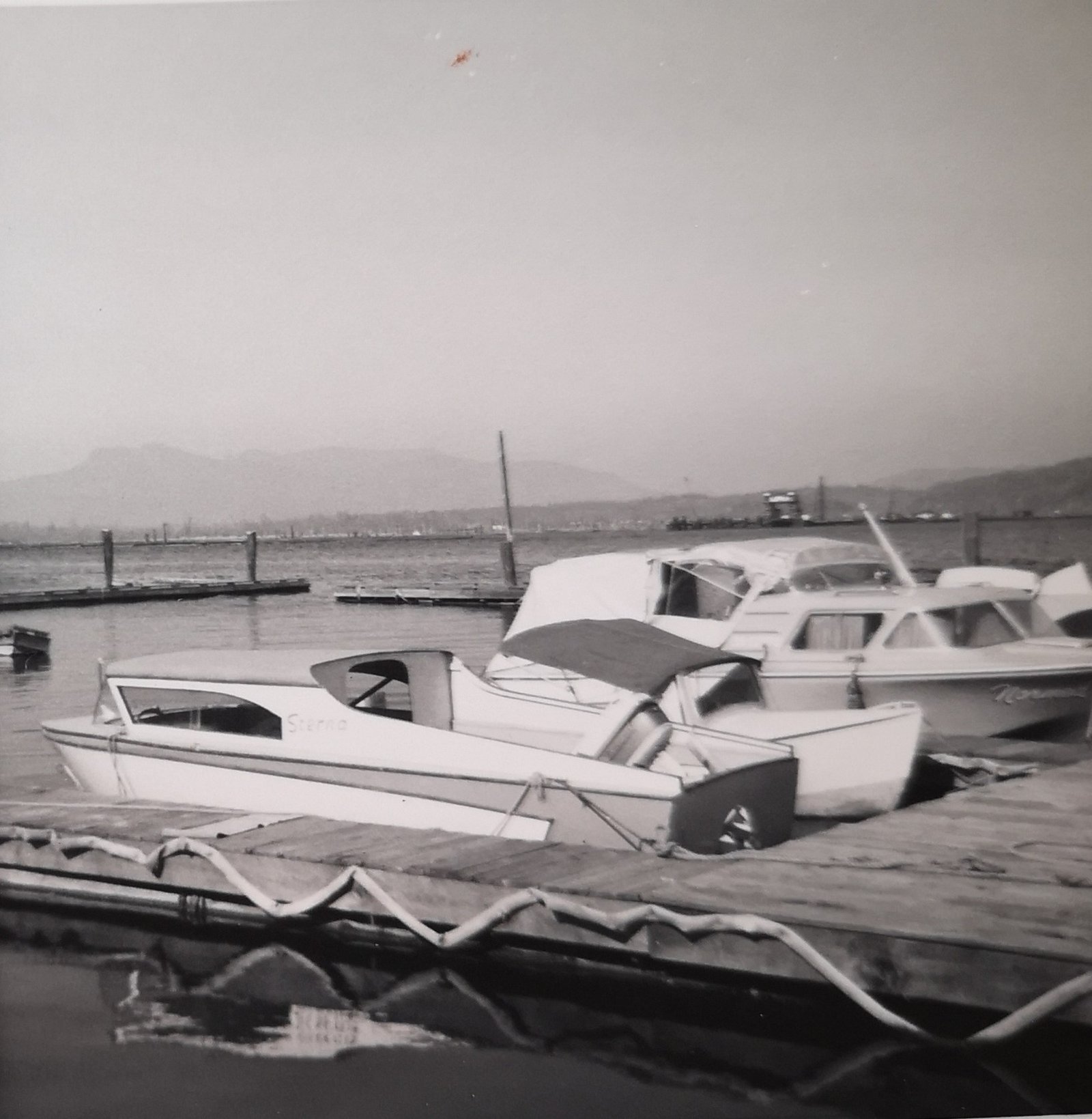
The Sterna

The Sterna and the Sydney Sailboat

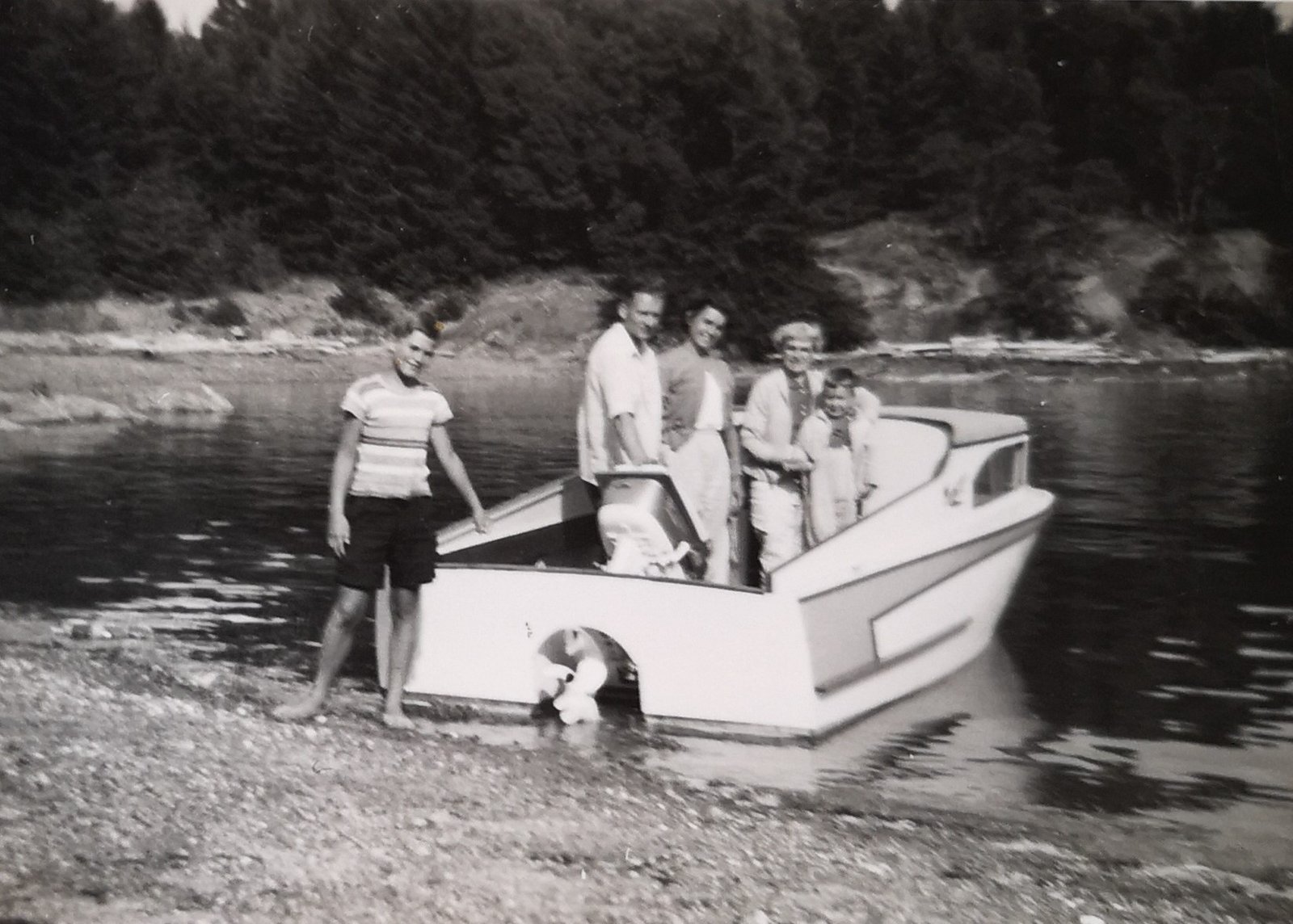
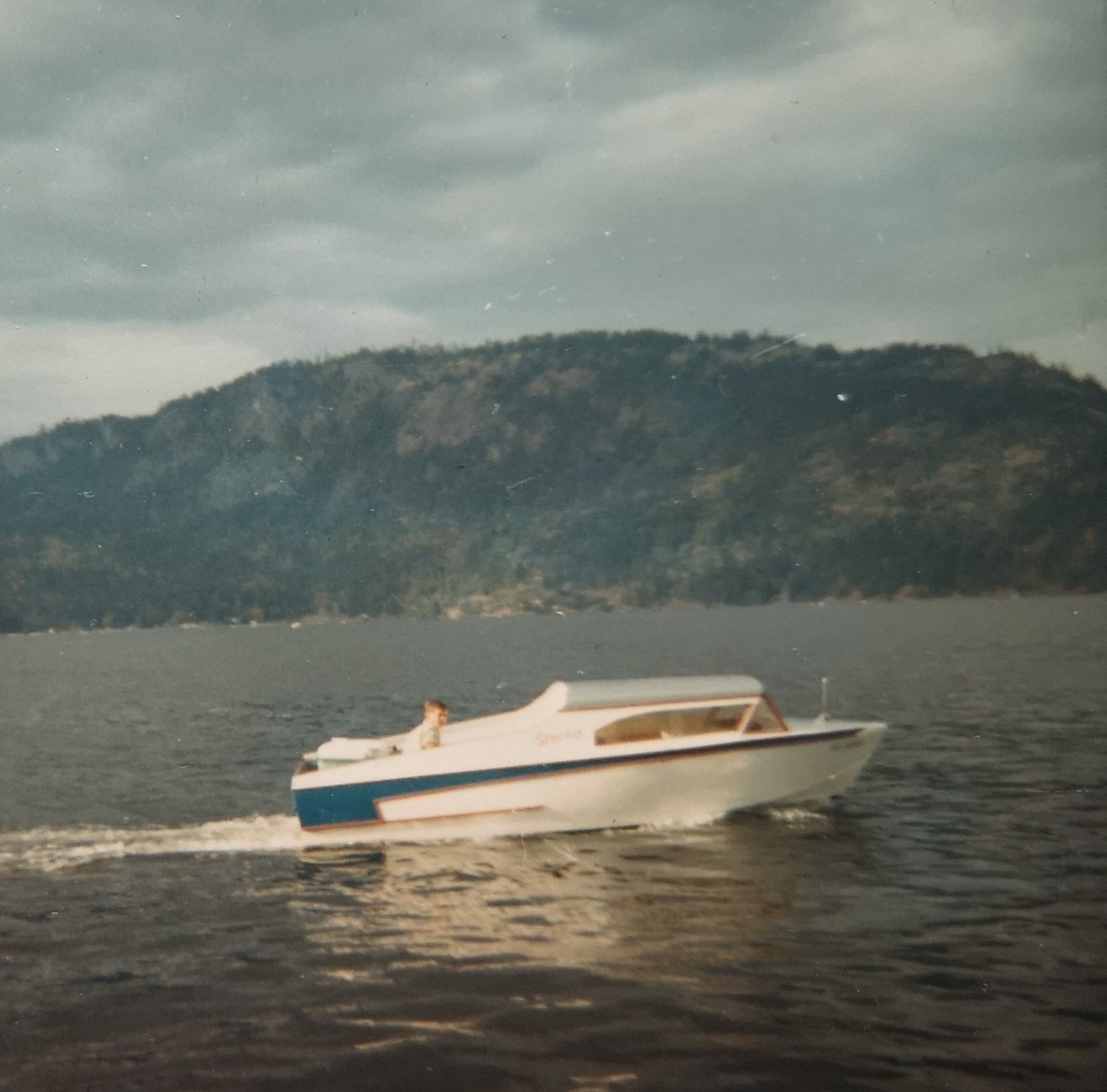
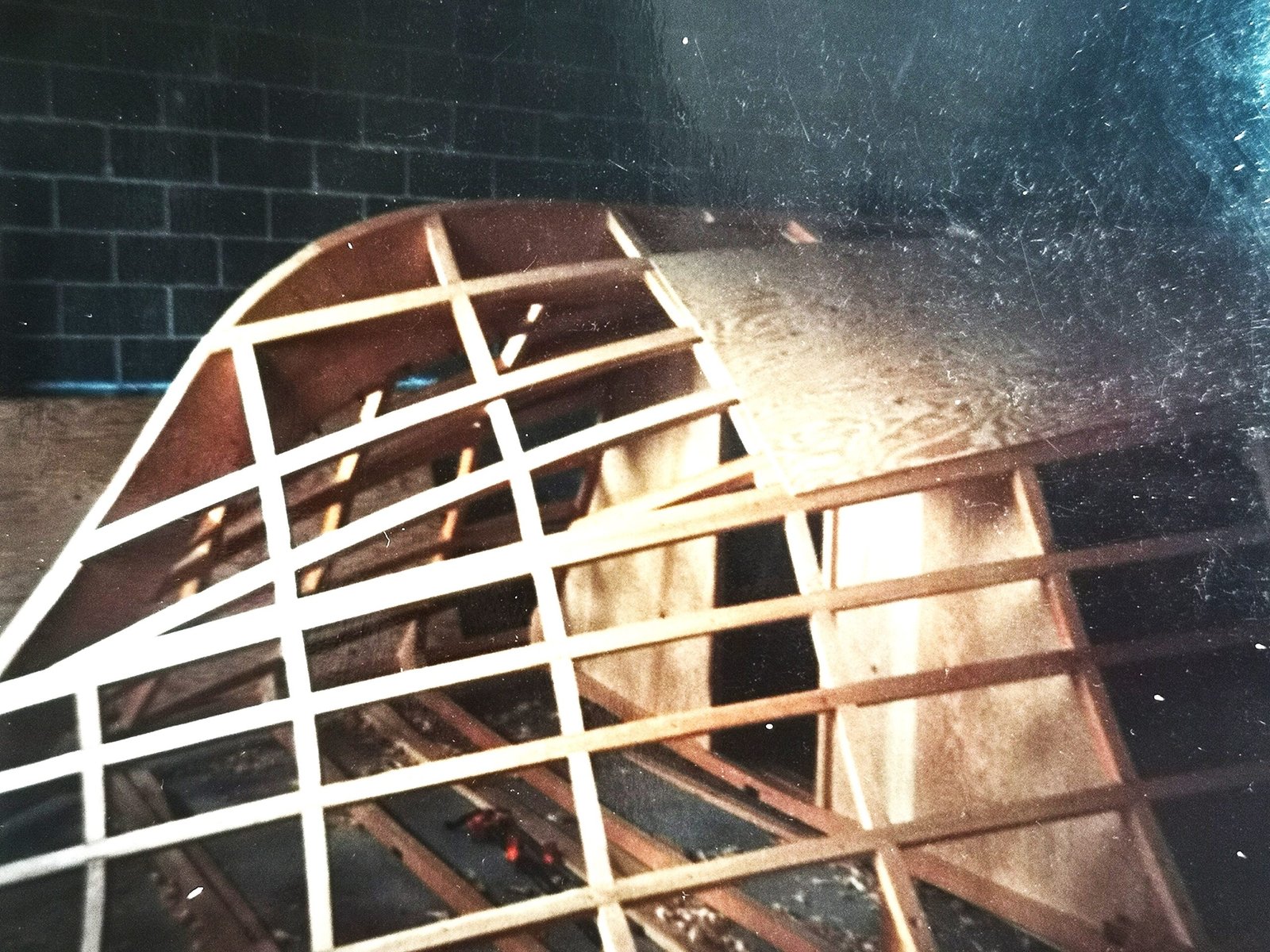
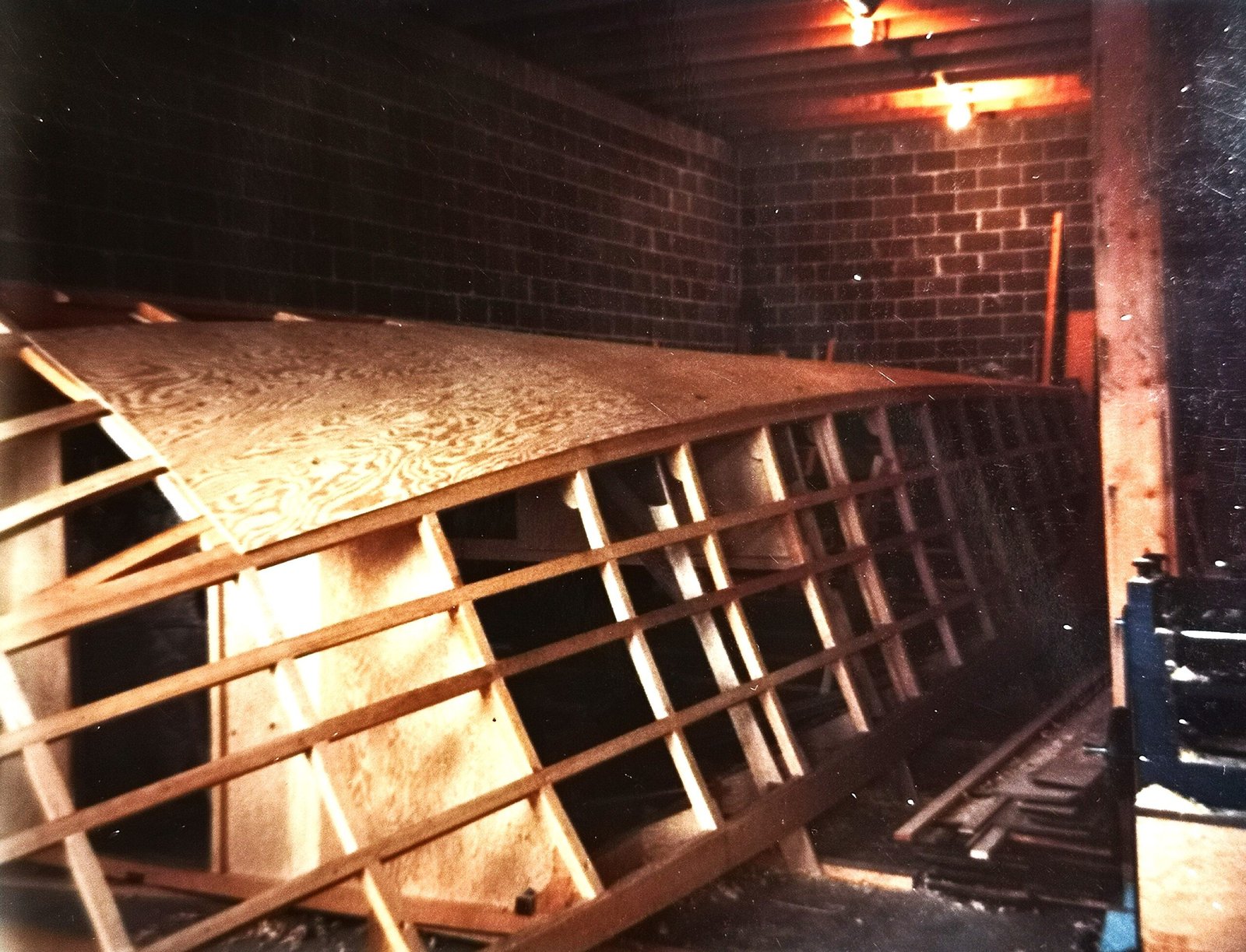
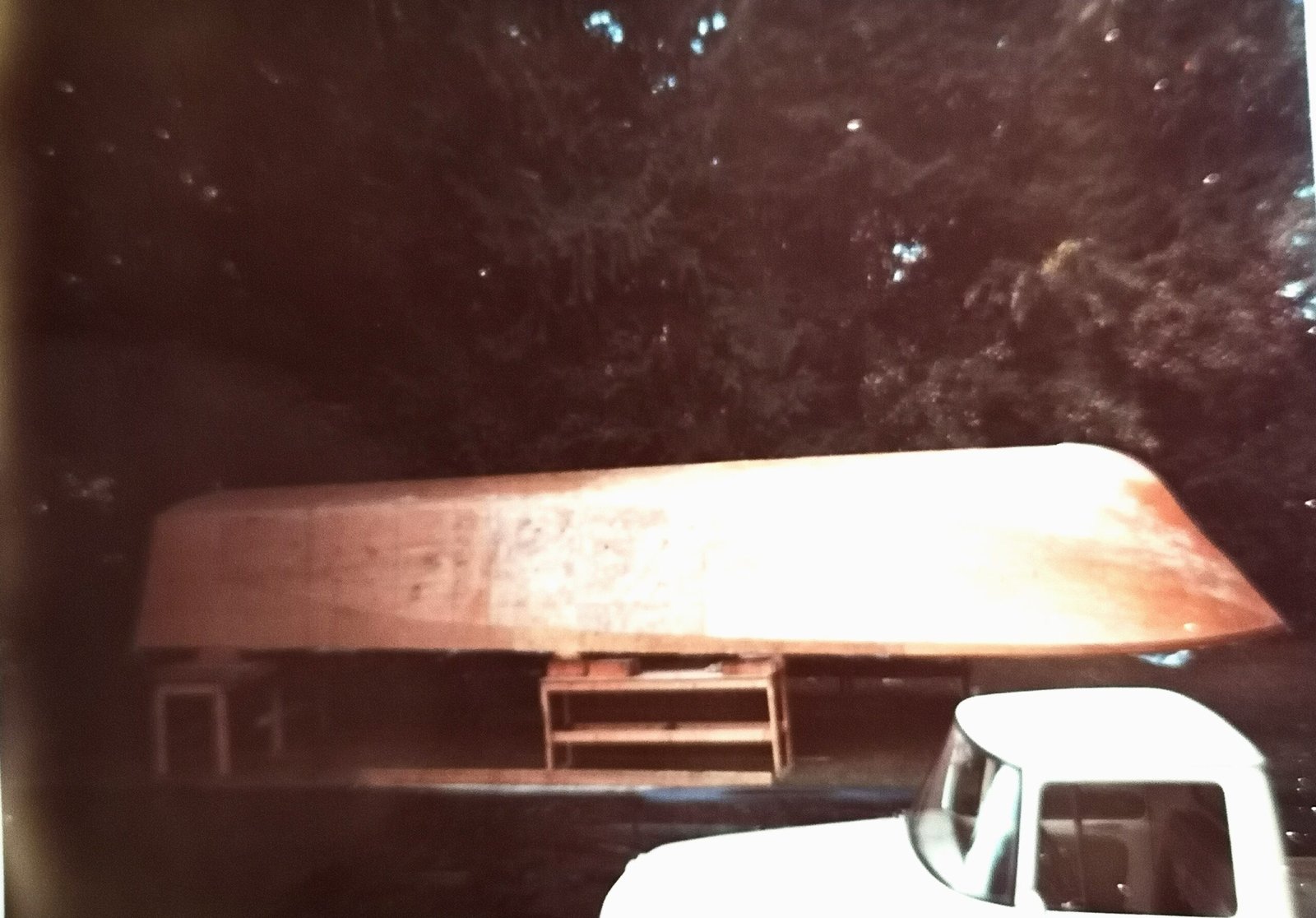
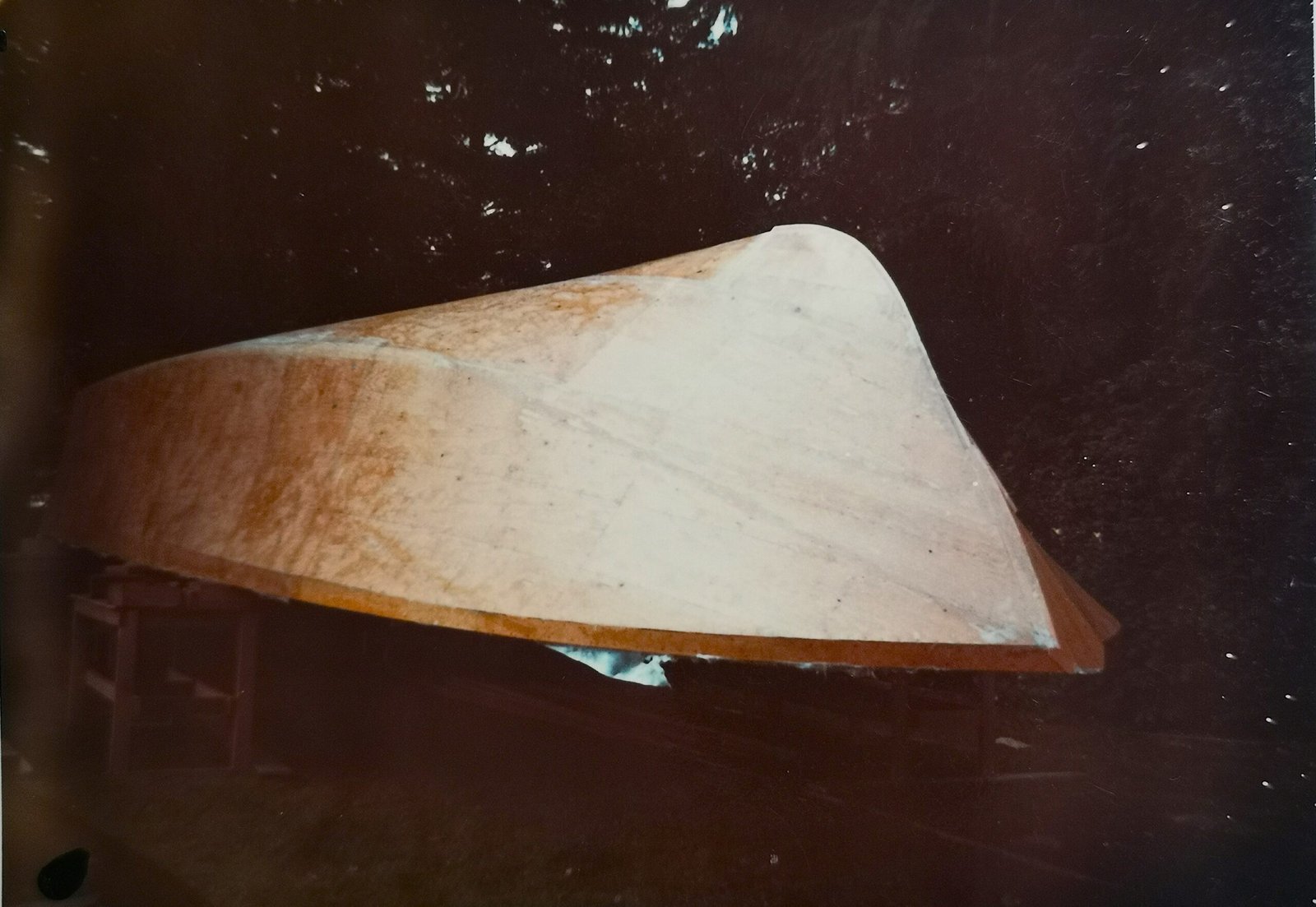
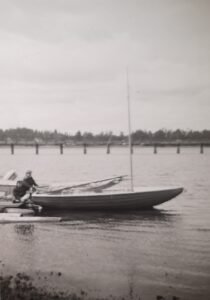
In the top row of photos is our father’s boat, the Sterna. The boat pictured below it was a 28-foot pleasure craft commissioned by a client who unfortunately ran out of funds early in the project; two years later, it was sold as a hull-only project and completed by another shipyard. To build the Sterna, our father eventually solved the workshop problem by purchasing a house with a garage that he immediately converted into a workshop.

However, as hinted at earlier, there was one final boat-building adventure involving bedrooms. While living in Sidney, B.C., our father decided to build another vessel—this time a single-mast sailboat. Once again lacking a proper workshop or covered carport, the bedroom was converted into a construction facility. Since the house had three bedrooms, our mother consolidated the boys into one room and moved her and our dad into the second, leaving the main bedroom free for the boat. Simple enough!

Everything was proceeding smoothly, and the sailboat was finally completed. Our father prepared to do what he had done in Holland—painstakingly take the entire boat apart piece by piece to move it outside. After all, it worked last time!

That was until our Uncle Chris stopped by to see the finished project…

The Final Bedroom Boat

Uncle Chris walked into the bedroom, carefully measured the corners of the paneling—sheetrock and drywall weren’t widely used back then—and then stepped outside to inspect the exterior plywood siding. After a moment’s thought, he proposed a remarkably bold solution: why not simply take down the bedroom wall and slide the boat out into the yard?

An hour later, the exterior wall was down, and the boat was successfully maneuvered outside. The men immediately set to work rebuilding the wall—this time upgrading it with far superior fiberglass insulation. By that evening, the new wall, window, and bed were all fully reinstalled.

As our mother finished moving the rest of the bedroom furniture back into place, the men were outside, enjoying a couple of well-earned beers and patting themselves on the back for a job well done.

That was when our mother walked outside and laid down the law: this was the absolute last time a boat would ever be built inside any house she lived in, or she was getting on the next ship back to Holland.

Our father never raised the subject again.


Uncovering More Memories

Unfortunately, we haven’t found any photos of the actual wall removal just yet—though there are still several hundred family slides we have yet to digitize and go through. As we continue sorting through these archives, we hope to find those pictures and share them here soon.